Hotel room setups
- The window bed. Push the bed so its long side runs parallel to the window, dress the glass with the room's sheers, and shoot from 45 degrees off the light. The bed holds side-lying and prone work; the window wall holds standing leans. Camera at chest height for the bed frames, not standing eye level.
- The desk chair portrait. One armless chair angled into the window light, everything else out of frame. Built for the tight, direct work: elbows to knees, chin on hands, eyes down the lens. A 50mm at chest height fills the frame with the client alone.
- The marble bathroom. Dry tub, stacked white towels, robe worn open over whatever the client chose. Bounce a lamp off the tile for fill; shoot from the doorway with a short telephoto for compression the bedroom cannot give.
Studio setups
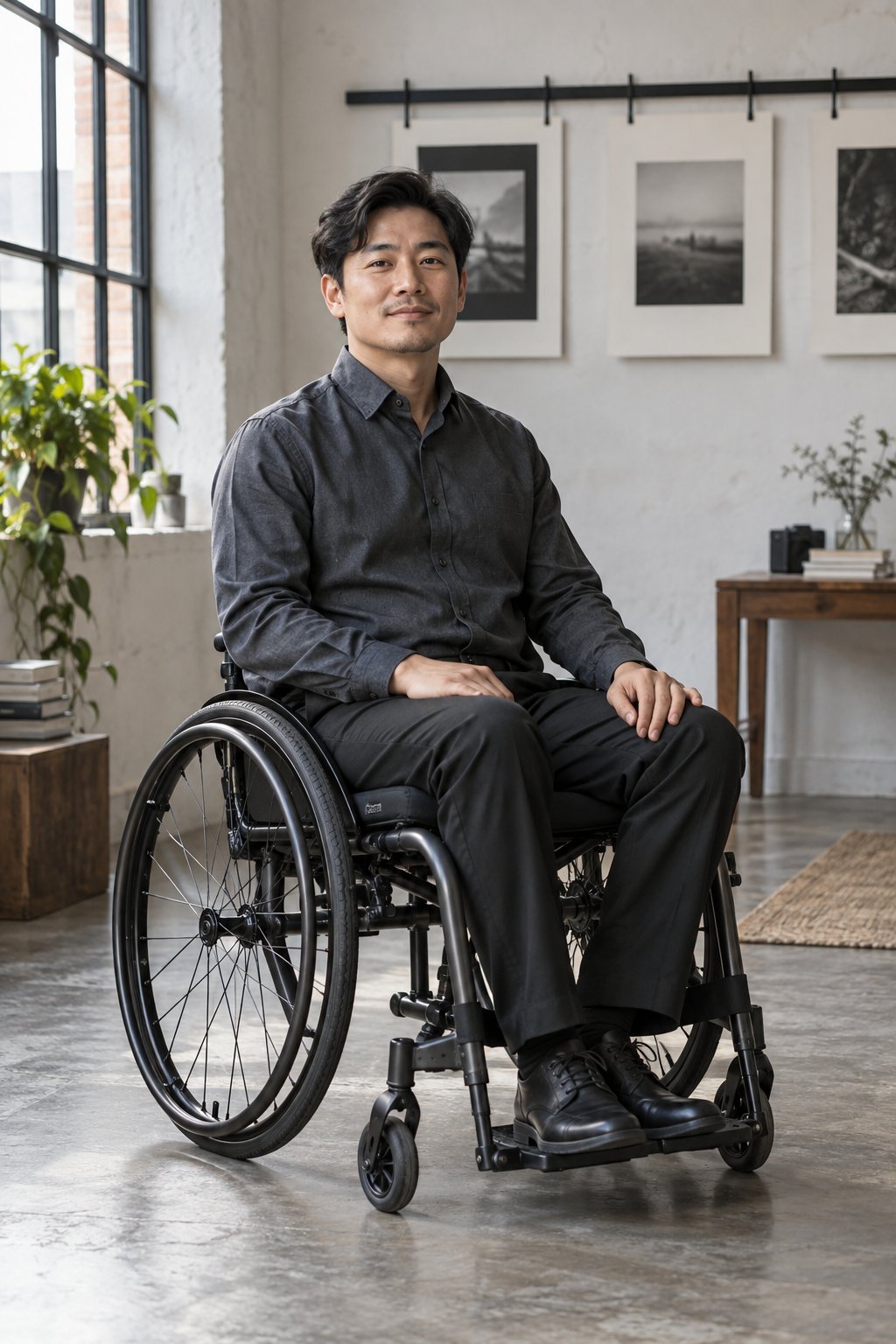
- Seamless and chair. Warm-white or grey seamless paper, one mid-century armless chair, one large octabox at 45 degrees and two feet above head height. The most reliable setup in boudoir photography because nothing in the frame argues with the subject.
- The fabric sweep. Clamp a length of chiffon or muslin to a stand and backlight it, then let the client work the fabric: grip it, wrap it, push through it. Expose for the highlights and let the shadows go; the result reads darker and moodier than everything else on this list.
- Hard light and blinds. A gridded strobe or bare-bulb look raking through venetian blinds, stripes drawn across the body at a low angle. Editorial contrast for clients who want something less soft, and it needs confident posing direction, because hard light forgives nothing in the pose.
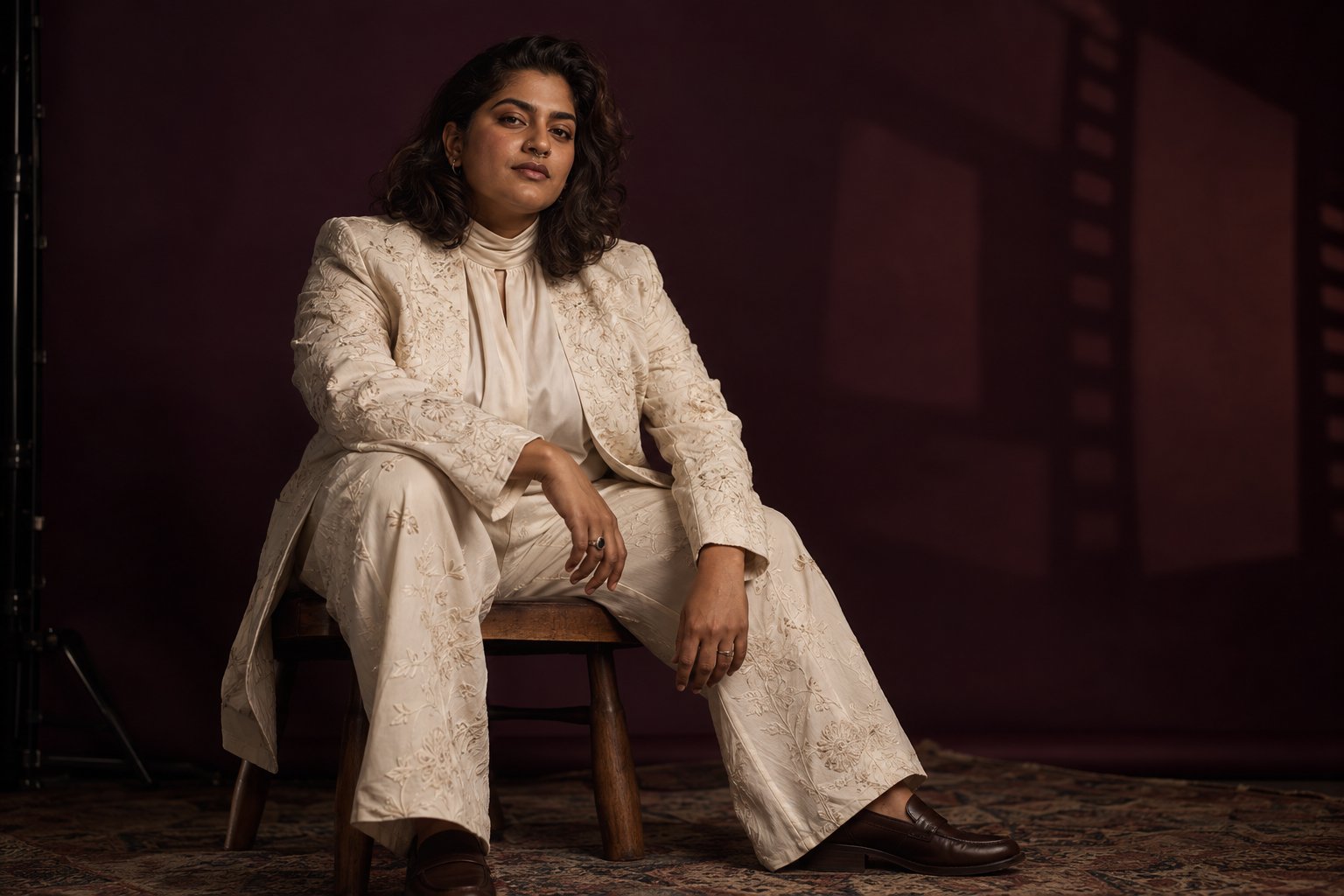
Want to see what poses work on you before booking a shoot? Preview ten variants in three minutes.
See a previewHome setups
- The one-window bedroom reset. Bed turned to face the window, nightstand cleared, a white sheet taped over the glass if the sun is direct. Most first-time clients already own this setup; the work is subtraction, not shopping.
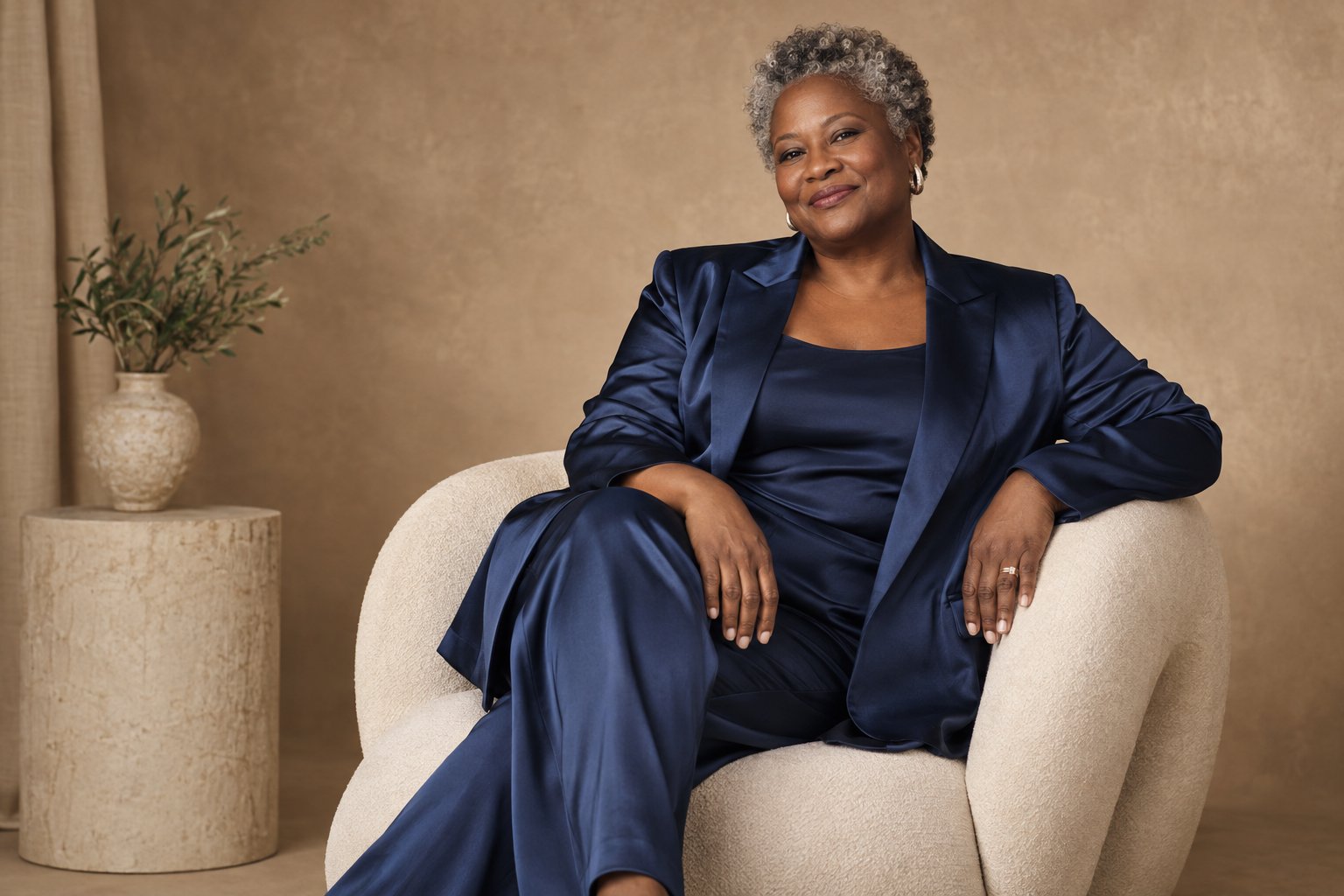
- The reading corner. Armchair, side table, one plant, afternoon light arriving from the side. Build it within six feet of the largest window in the house and it carries a third of the session.
- The doorway silhouette. Client in the doorway, camera down the hall, exposure set for the outside so the room goes dark. Rim light does the drawing and the pose barely matters, which makes it a useful confidence builder in the middle of a session.

Three light recipes that cover all nine
- Window at 45 degrees, black side. Subject turned 45 degrees to the window, a black coat or foam board on the shadow side to control contrast. The default for every daylight setup above.
- Lamp bounce. One lamp fired into a white wall or ceiling corner behind and beside the subject: soft, warm, invisible in frame. The evening fallback in hotels where the overheads are unusable.
- Octabox feathered up. If you own a strobe: 48-inch octabox at 45 degrees, light aimed slightly above the face so the falloff runs down the body instead of pooling at the chest.
The room-by-room versions of these recipes, including window direction by hour, live in boudoir lighting ideas.


How a professional session actually runs
- Consult a week or two ahead. Wardrobe, comfort list, and a written list of what never gets shot or shown.
- Contract the image use. What the photographer may post, what stays private, and how long the raws are kept, all in writing.
- Shoot covered first. Robe and sheet looks before lingerie; clients relax as a session goes on, not at the start.
- Direct with targets, not critiques. "Chin toward the window" works. Comments about the body, even kind ones, read as judgment.
- Move the setup every 30 to 40 frames. Fresh furniture resets energy better than a pep talk does.
- Cull with the client when possible. The frames they hate never leave the room.
The frame catalog to hang this order on lives in boudoir poses, and clients should get the wardrobe ladder in boudoir outfit ideas a week before the shoot.
What goes wrong
- Mixed color temperature. Hotel overheads plus window light turns skin two different colors. Kill every lamp you are not using as a source.
- The soft mattress. Poses sink and slouch; firm the surface with a folded duvet under the sheet.
- Back-of-camera previews nobody asked for. Some clients want to see everything, some want nothing until the gallery. Ask at the start and honor the answer.
- Publishing without written consent. A verbal yes in the room is not a release. Portfolio use gets its own line and its own signature.
- Over-retouching. Erasing texture reads as a verdict on the original body. Retouch with permission, lightly.
- Running the session like a checklist. Nine setups in ninety minutes produces nine mediocre sets. Two setups, well worked, beats a tour of the apartment.
Private, no-stranger option. Upload five selfies, get boudoir portraits in about three minutes.
Try the generatorThe AI route, honestly framed
AI boudoir generation now sits at the edge of this craft, and it is worth being straight about it. MyPhotoAI produces studio-style boudoir portraits from 5 to 15 selfies: watermarked previews in about three minutes, free to view, HD downloads from $15 for 5 (Pro is $35 for 20, Premium is $65 for 50), with 15 boudoir styles among 107 catalog looks. For photographers it works as a pre-shoot conversation tool at best; it does not replace a session, because it is not in the room with your client. For people who will never stand in front of a stranger in lingerie, it is a private route to the same general look. Only upload photos of yourself. The full comparison with studio pricing is in the boudoir photo ideas roundup, and the wedding-week version of this planning is its own subject in bridal boudoir.

