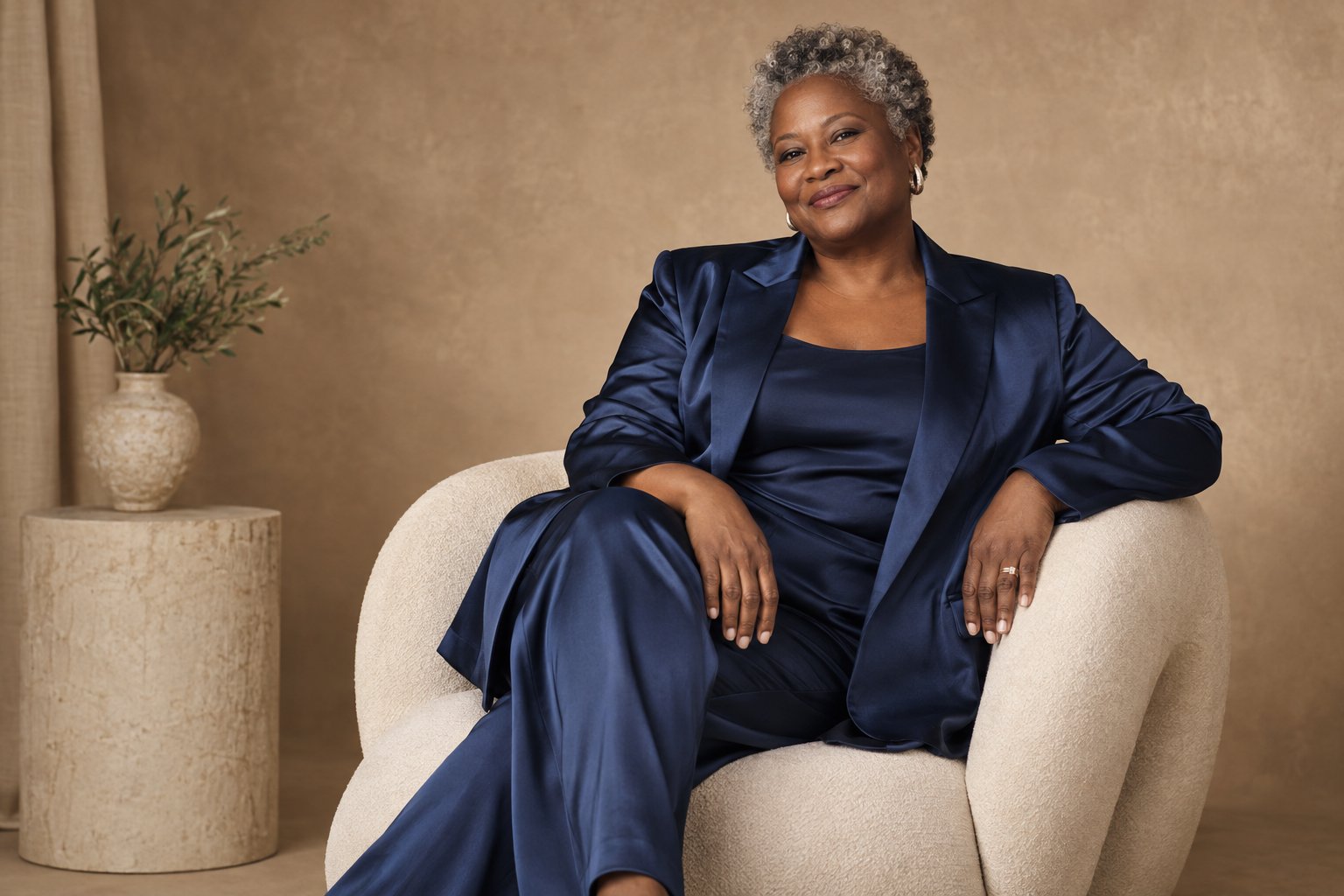
Glamour, boudoir, and fine-art nude photography can overlap in wardrobe, lighting, and pose, but they begin with different intentions. Glamour prioritizes polished presentation. Boudoir centers personal intimacy and confidence. Fine-art nude photography treats the body primarily as form, line, volume, or concept.
The best choice is not the category with the least clothing. It is the one that matches the purpose, audience, privacy boundary, and final use of the images.
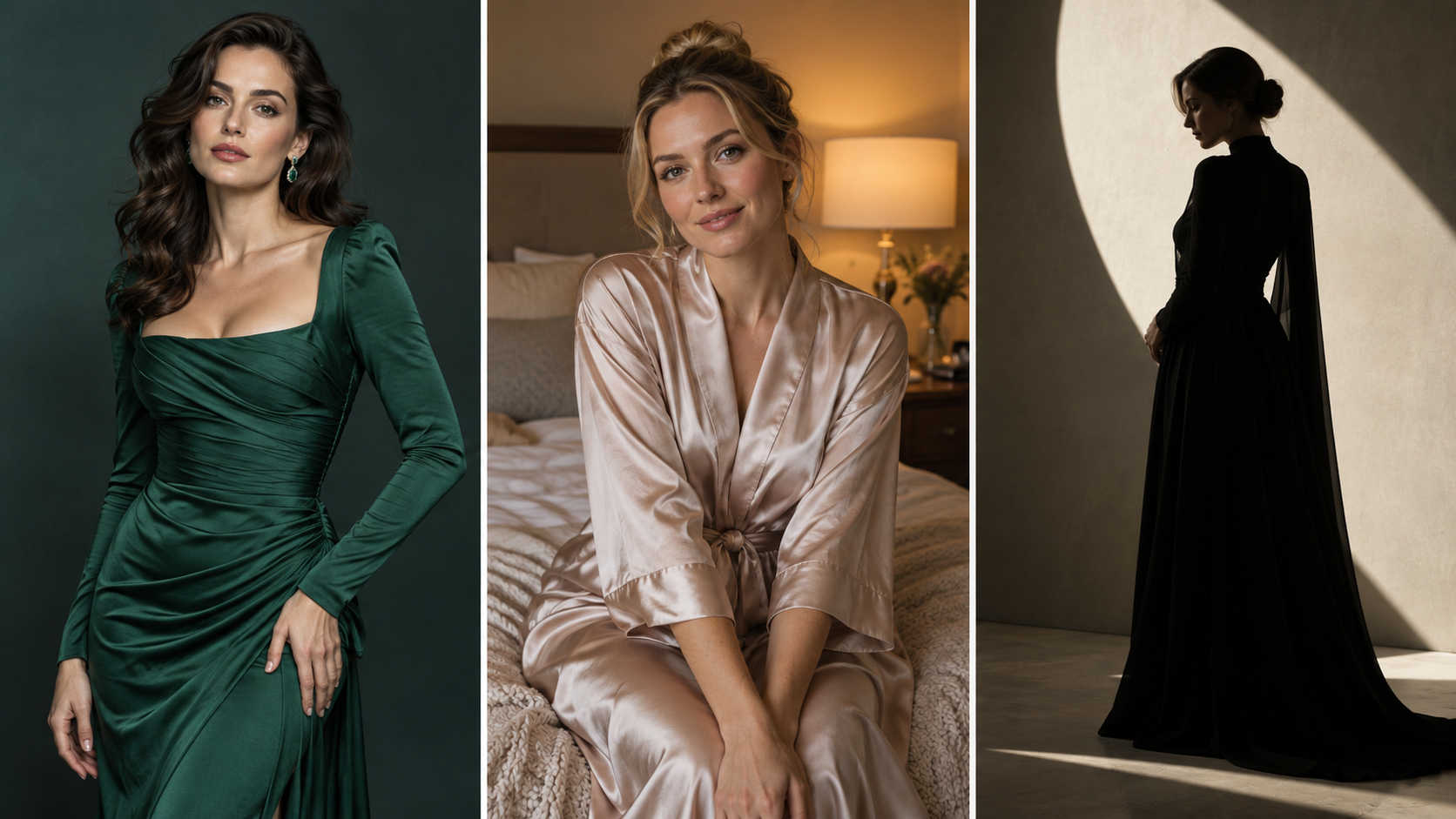
The short answer and comparison matrix
| Question | Glamour | Boudoir | Fine-art nude |
|---|---|---|---|
| Main purpose | Polish, beauty, presence | Intimacy, confidence, personal story | Form, concept, visual study |
| Typical direction | Direct and constructed | Personal and emotionally warm | Abstracted or conceptual |
| Common setting | Studio, hotel, fashion location | Bedroom, home-like studio, private set | Studio, landscape, architectural set |
| Styling | Eveningwear, swimwear, lingerie, beauty styling | Robes, lingerie, sheets, personal wardrobe | Draping, body paint, silhouette, minimal set |
| Usual audience | Portfolio, campaign, social, personal | Subject, partner, private album, selective portfolio | Gallery, book, portfolio, private collection |
| Privacy default | Varies by commission | Usually high | Must be explicitly agreed |
| What leads the frame | Presentation | Relationship to self and setting | Shape, light, concept |
A working photographer's category guide summarizes the distinction as boudoir being intimate and personal, glamour being more constructed and presentation-led, and fine-art nude work emphasizing shape and concept. 1 The boundaries are not universal, so use them as planning language, not rigid rules.
How glamour photography frames polish and presentation
Glamour photography asks: how polished, magnetic, or aspirational can this person look?
The visual signals often include:
- controlled beauty lighting
- deliberate hair and makeup
- strong eye contact
- shaped wardrobe
- cleaner backgrounds
- confident, direct poses
- more visible retouching, while still preserving identity
Glamour can be fully dressed, swimsuit-led, lingerie-led, or close beauty work. Coverage does not define the category. Presentation does.
If the goal is a generated, polished adult portrait rather than a traditional session, the AI boudoir generator and sexy lingerie photo guide cover those transactional workflows. This article owns the choice between categories, not the production workflow for either product.
How boudoir photography frames intimacy and confidence
Boudoir asks: how should this person feel when they see themselves?
The setting often feels private, warm, and close. The subject's experience matters as much as the camera result. Images may be created for the subject, a partner, an album, or a personal milestone.
Useful planning questions include:
- Should the series feel soft, playful, dramatic, or quiet?
- Is the face part of every frame?
- Which wardrobe choices feel like the subject rather than a costume?
- Which images are private by default?
- Can the photographer use any image in a portfolio?
- Who receives the final files?
Adobe's phone portrait guidance emphasizes natural light, clean backgrounds, camera distance, and small posing adjustments. 2 Those fundamentals work across all three categories. The emotional framing and intended audience are what make the result feel more glamour, boudoir, or fine art.
How fine-art nude photography frames form and concept
Fine-art nude photography asks: what idea, shape, tension, or relationship to light is the image exploring?
A frame may focus on:
- silhouette
- repetition of curves and lines
- contrast between body and architecture
- fabric as sculpture
- shadow as a second shape
- anonymity or faceless composition
- movement and blur
- references to painting, dance, or sculpture
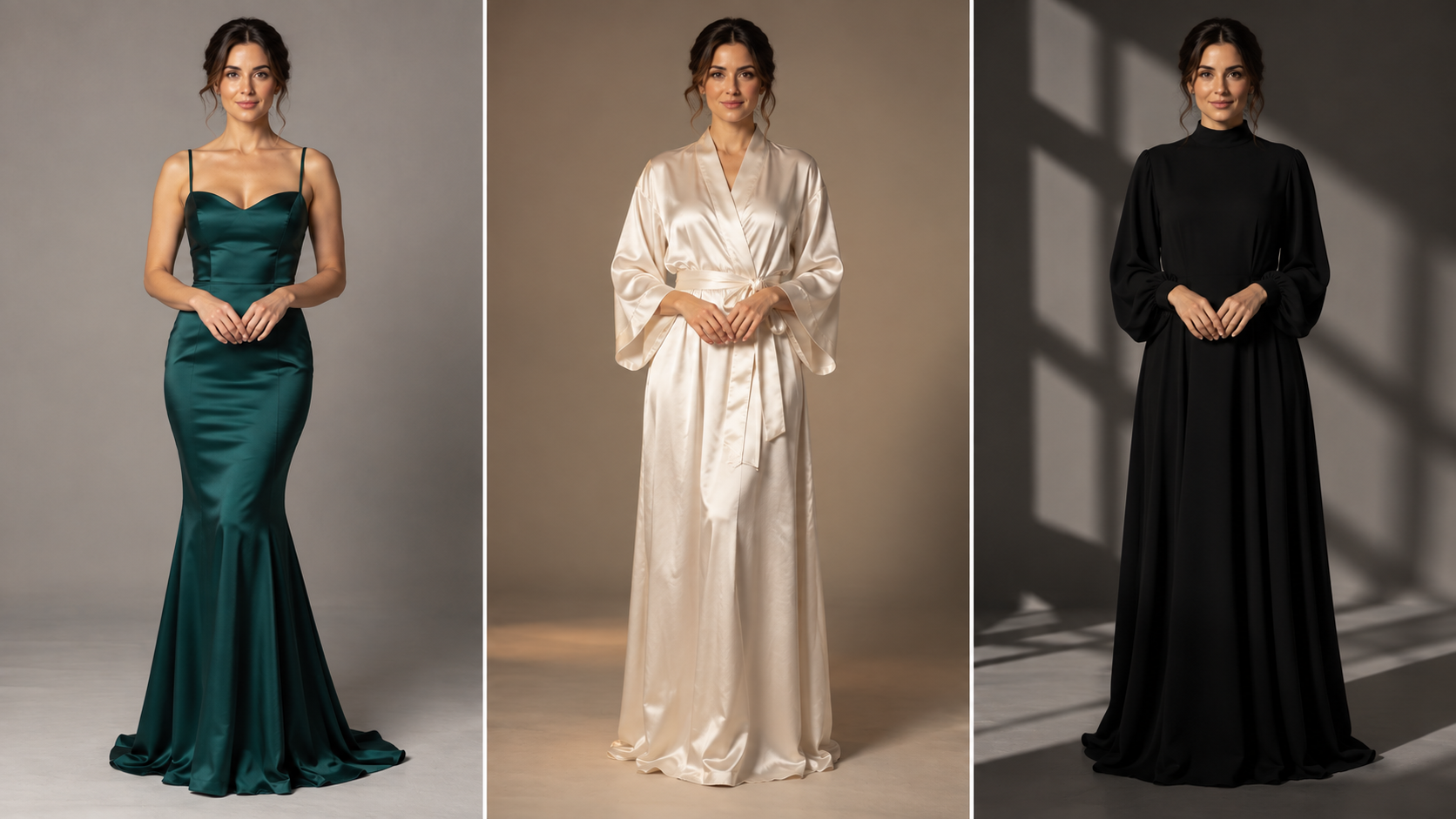
A fine-art approach can be fully covered and still communicate its concept. A long opaque gown, draped fabric, or silhouette may provide the same formal study without explicit detail.
For silhouettes, Nikon explains that exposing for the bright background turns the foreground subject into a simplified dark shape. 3 That technique shifts attention from surface detail to outline, posture, and negative space.
Privacy and sharing are part of the category choice
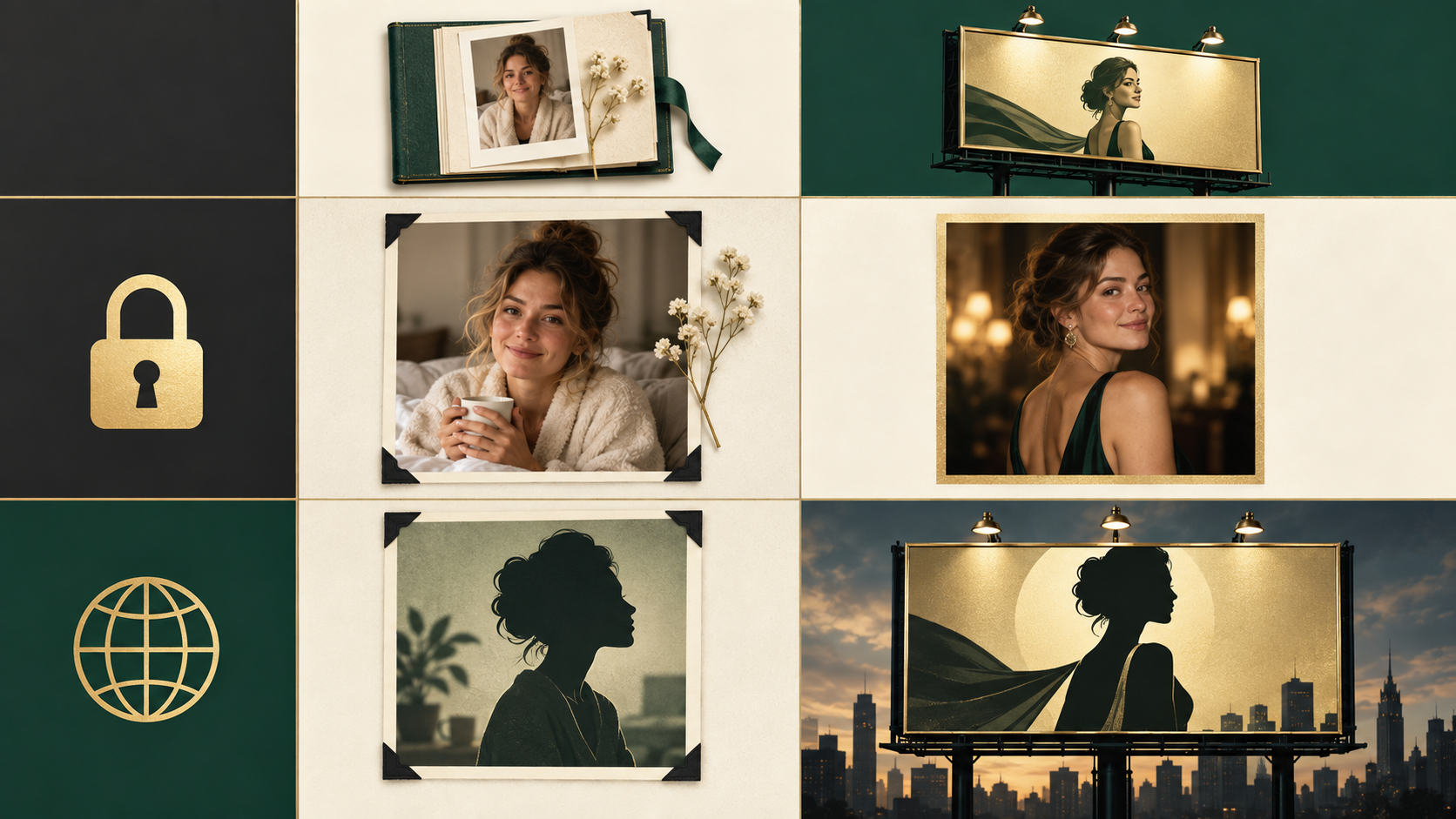
A portrait intended for a private album can tolerate different choices from one intended for a public campaign. Decide the audience before the shoot:
- Private keepsake: subject and named recipients only.
- Private portfolio review: photographer and subject, with no public use.
- Selective portfolio: only individually approved final images.
- Public editorial or campaign: documented permission for named channels and duration.
Professional Photographers of America explains that a subject's privacy and publicity interests remain relevant even when a photographer owns the copyright. 4 Ownership of the file and permission to use a person's likeness are different questions.
This is especially important when a session changes direction. Consent to a private boudoir portrait should not silently become consent to a public glamour campaign. Treat each new use as a new decision.
Choose by purpose, boundaries, privacy, and deliverables
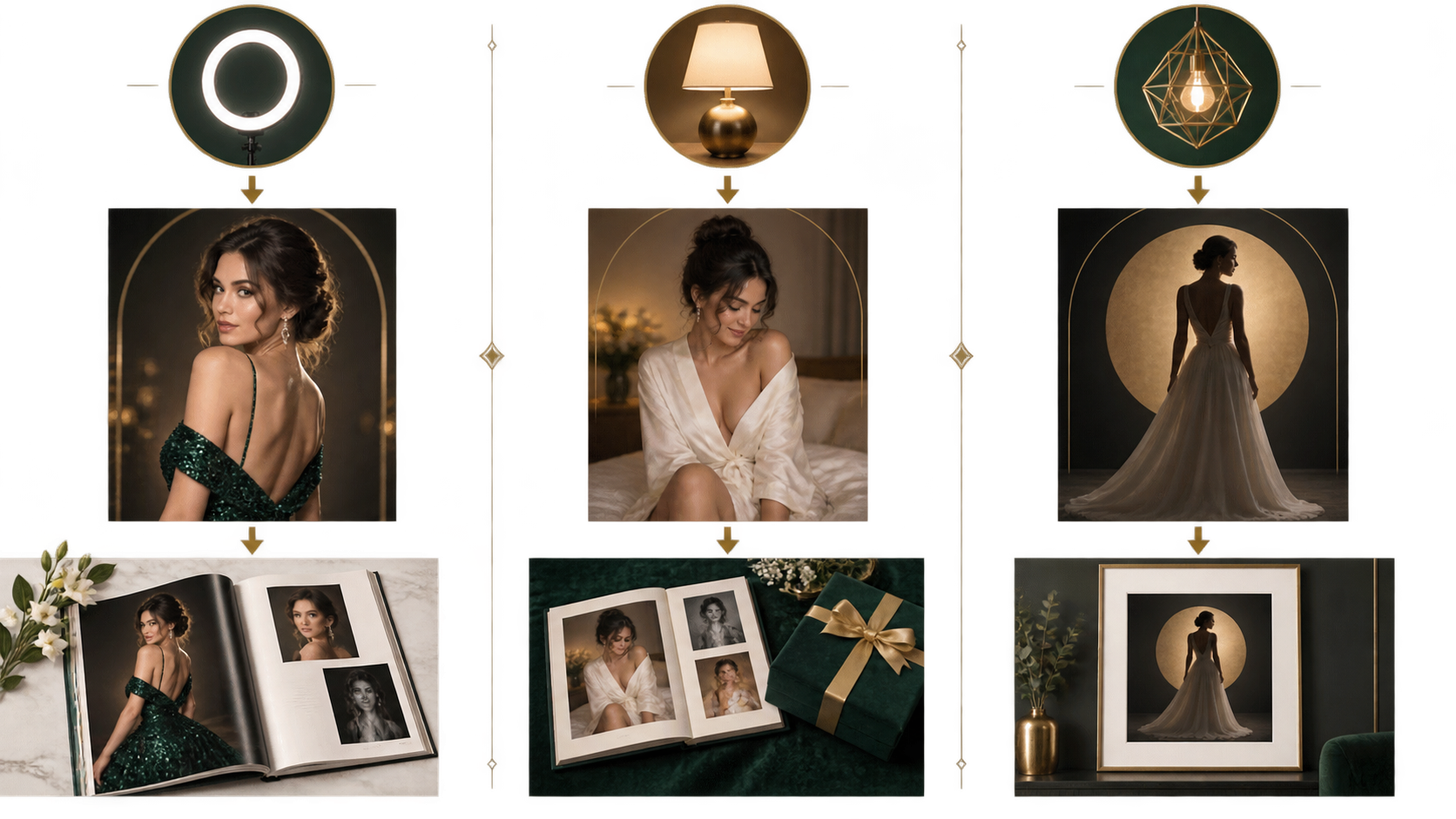
Use this sequence:
Start with the outcome
Choose the final destination: social post, campaign, private album, gift, gallery print, or personal archive.
Set the privacy level
Name who can view, download, print, share, and reuse the images. Put portfolio permission in a separate clause.
Choose the visual center
- Pick glamour when polished presence should lead.
- Pick boudoir when private confidence and personal atmosphere should lead.
- Pick fine art when concept, line, and form should lead.
Design wardrobe and coverage
Specify what stays on, what can change, and which angles are allowed. Do not let a category label substitute for a concrete boundary.
Confirm the deliverables
Agree on file count, retouching, crop, color treatment, album or print, download method, storage period, and deletion expectations.
If the polished noir direction is closest to your goal, open the Lace Noir Glamour look and choose it in the catalogue. If you are still unsure, choose the most private workflow and the most conservative coverage. You can approve a broader use later. You cannot make a public image private again once it has spread.