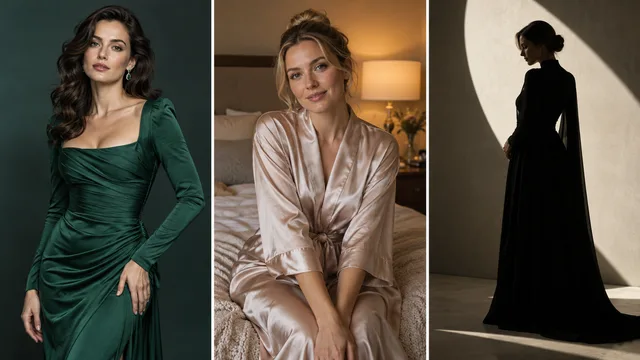
Implied nude photography suggests the shape or intimacy of the body without showing explicit anatomy. The strongest images are not built around hiding something at the last second. They are planned around coverage, silhouette, crop, fabric, shadow, and negative space from the beginning.
This guide is for consenting adults. It stays non-explicit and treats coverage as a fixed creative boundary, not a problem to solve during the shoot.
What implied nude photography means in this guide
In this context, "implied" means the viewer understands that the portrait is intimate while the frame remains fully covered. That can be achieved with:
- an opaque wrap or sheet
- a strapless dress or bodysuit that reads as a clean shape
- a back or shoulder portrait
- a silhouette with no visible detail inside the shadow
- a close crop that keeps coverage boundaries clear
- foreground objects placed between the camera and subject
This is a composition page, not a general list of boudoir poses. For broader inspiration, use boudoir photo ideas. For wardrobe-led concepts, the lingerie photoshoot ideas guide is the more relevant pillar.
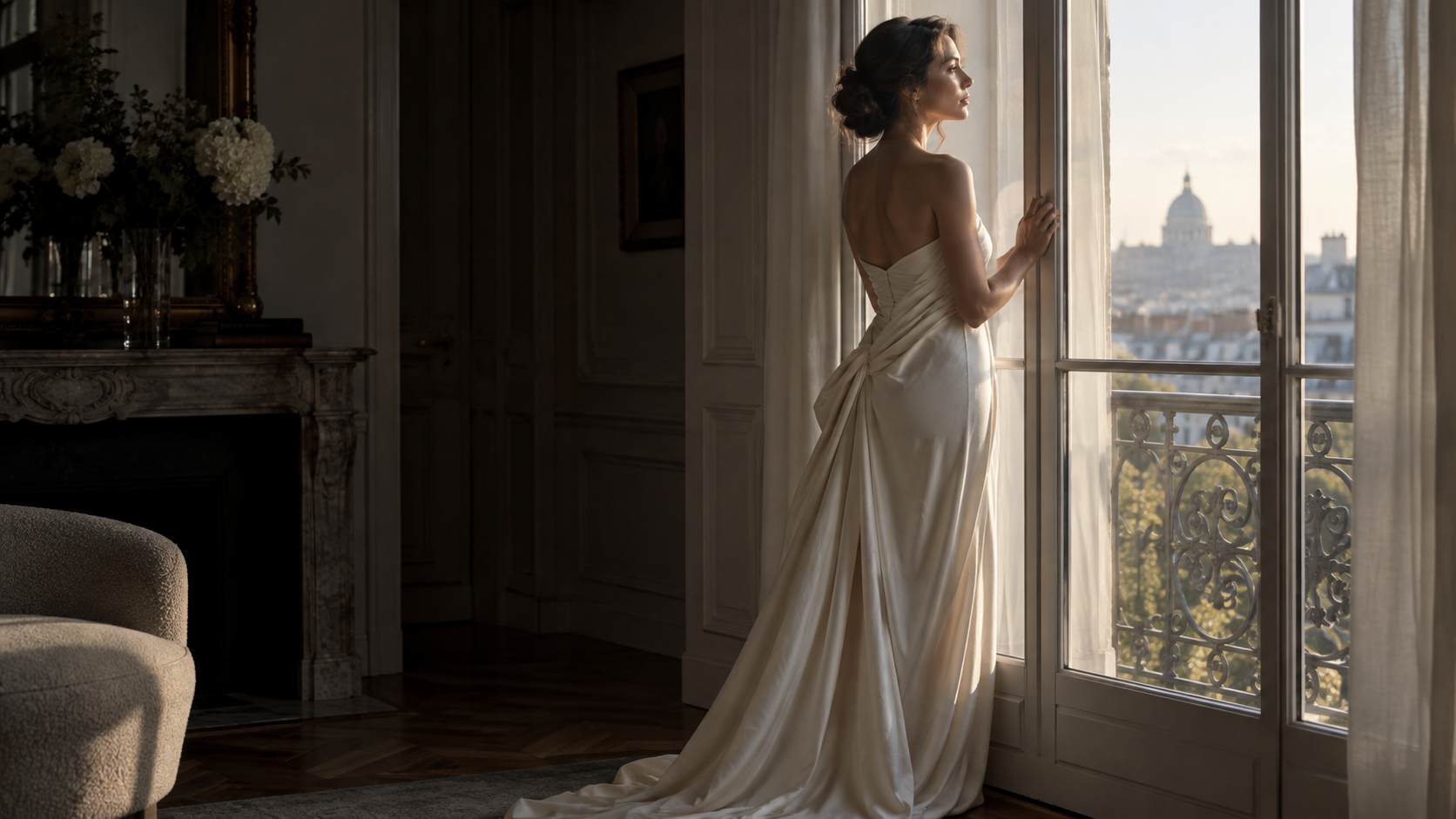
Choose coverage and consent boundaries before shooting
Agree on the frame before choosing the pose. A useful pre-shoot conversation covers:
- what clothing or fabric stays in place
- which body areas may appear
- whether the face is included
- who is present on set
- who can review the files
- whether any image may be shared publicly
- what happens to rejected and unedited files
Professional Photographers of America notes that photographed people retain privacy and publicity interests, and it recommends written releases for promotional or licensed use. That makes specific permission for portfolio or marketing use a separate decision from agreeing to be photographed. 1
Use clips, fashion tape, or a hidden base layer when needed. Test every pose from the actual camera position. A setup that appears covered to the subject or photographer can change when the body turns, the camera lowers, or a mirror enters the background.
Compose with five reliable techniques
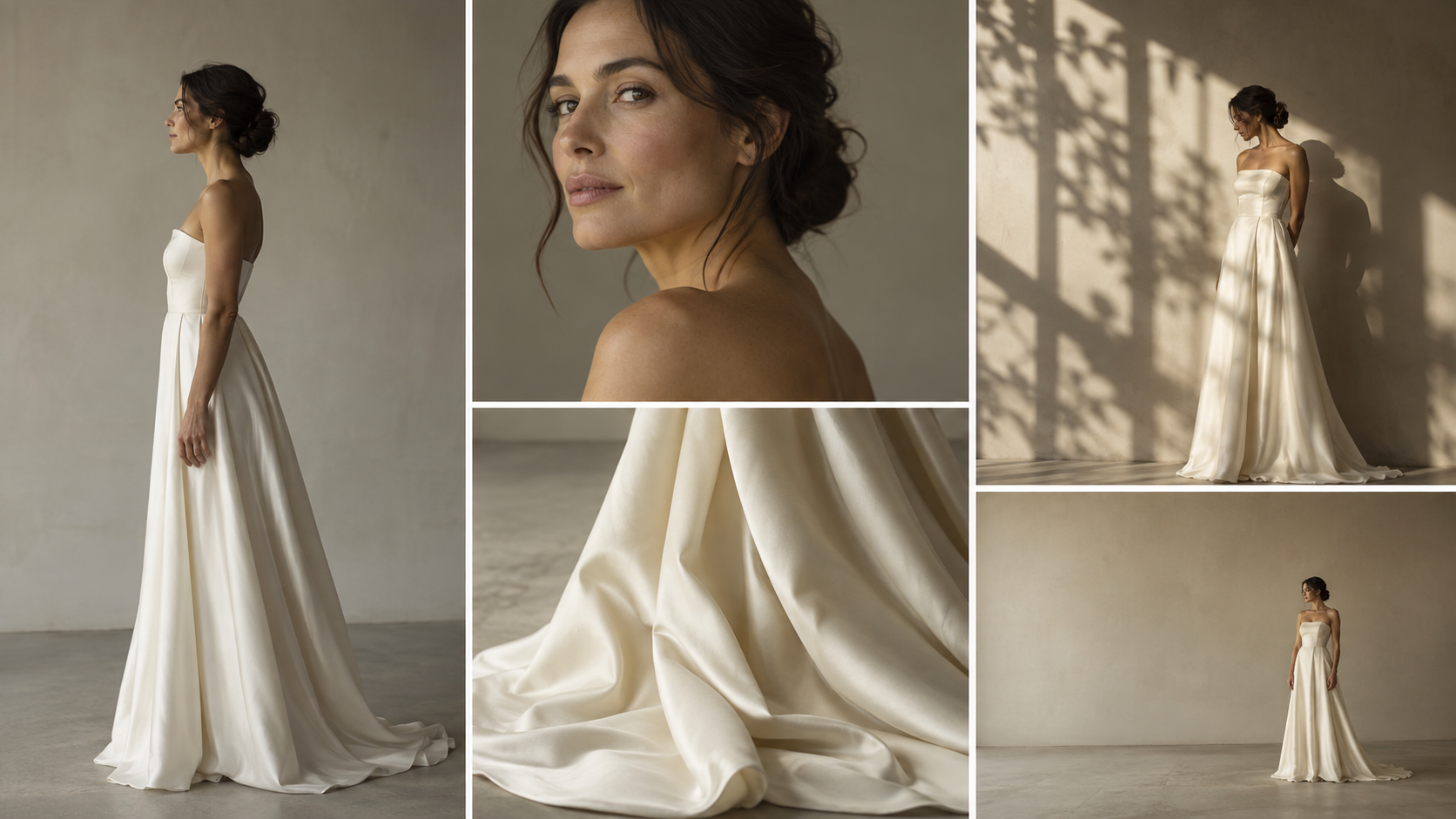
1. Silhouette
Place the subject between the camera and a bright window. Expose for the light outside so the covered figure becomes a dark shape. Nikon's guide explains that metering for the brighter background lets the foreground subject fall into silhouette. 2
Keep the outline simple. Separate the arms slightly from the torso and turn the face into profile so the shape reads cleanly.
2. Fabric as structure
Use opaque fabric to create diagonal folds, curves, and tension. Pin it before the session if it needs to remain fixed. Avoid relying on one hand to hold every coverage point because a small movement can change the frame.
3. Shoulder, back, and face crop
A close portrait can feel intimate with only a face, shoulder line, and upper back. Keep the garment or fabric edge visible so the crop feels intentional rather than accidental.
4. Patterned shadow
Cast the shadow of blinds, leaves, or a screen across a plain wall. Let the pattern create visual interest while the subject stays in a simple covered pose. Watch that the brightest stripe does not cut across the eyes unless that is deliberate.
5. Negative space
Adobe's composition guide describes how empty space can isolate the subject, create scale, and direct attention. 3 In an intimate portrait, that breathing room can create more tension than a tighter crop.
Build a silhouette setup
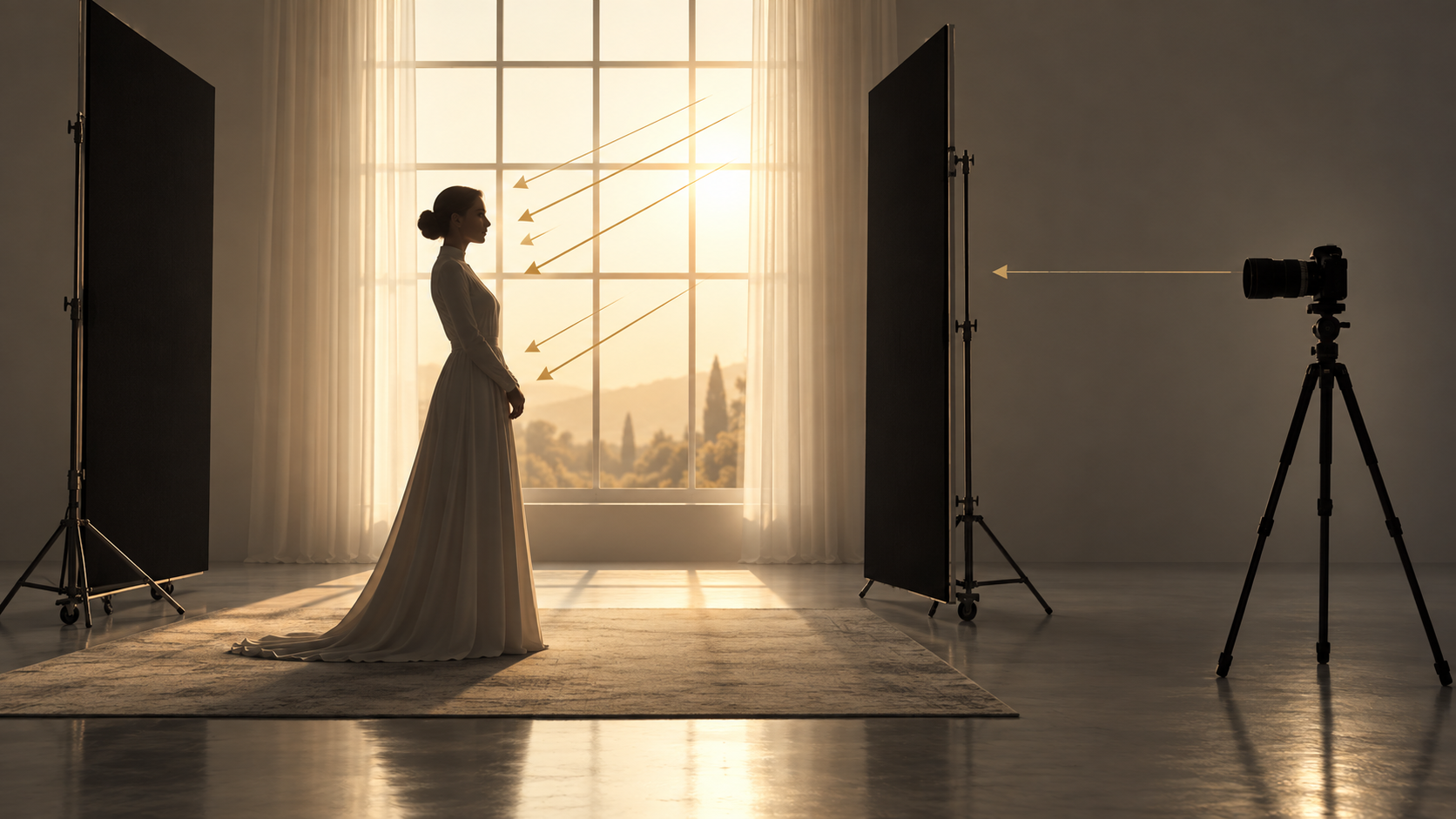
- Choose a window with a bright but uncluttered background.
- Place the fully covered subject one or two steps in front of it.
- Move the camera back and zoom slightly rather than working close.
- Focus on the subject's edge.
- Lower exposure until interior detail disappears.
- Use dark curtains or flags to reduce stray side light.
- Review the frame at full brightness for any detail you did not intend to retain.
The safest silhouette is designed in wardrobe and posing before exposure is reduced. Darkness should shape the image, not act as the only coverage method.
Avoid accidental exposure and misleading reflections
Mirrors, glossy furniture, windows, and metal fixtures can reveal a second angle. Scan all four edges of the frame and zoom into reflections during review.
Canon's posing guidance supports small controlled movements and careful crop placement. 4 Use those small adjustments here. Moving a knee, elbow, or shoulder by a few centimeters is safer than rebuilding the whole pose while the shutter is running.
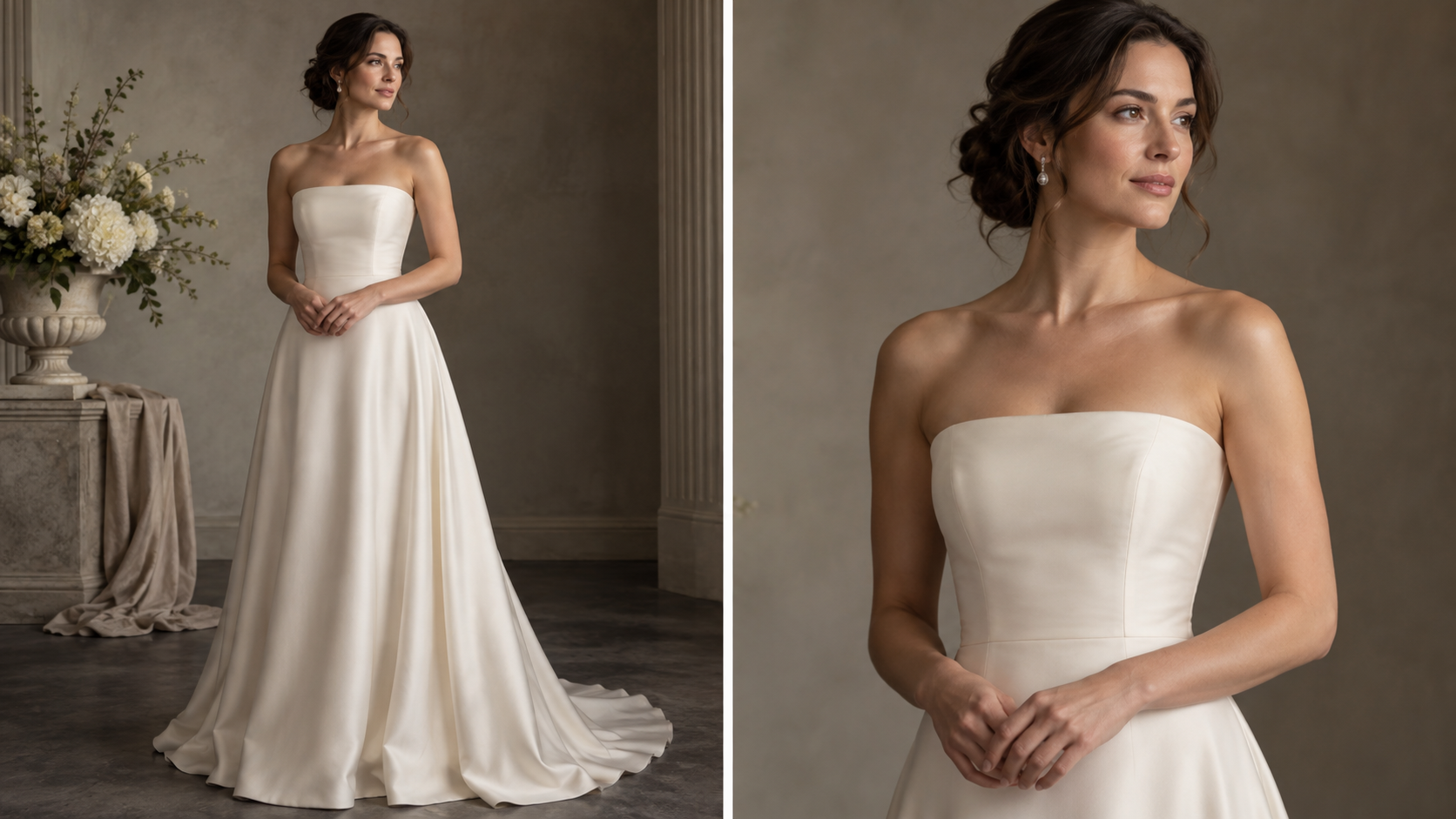
Avoid cuts directly through joints. Keep enough fabric or garment edge in the frame to show that coverage is deliberate. If a crop feels risky, widen it and solve the composition with posture or negative space instead.
Final-frame safety and privacy checklist
Before keeping or sharing a frame, confirm:
- every visible person is an adult and has agreed to the image
- the agreed coverage is intact in the main frame and every reflection
- the face is included or excluded as planned
- no address, window view, work badge, or identifying object is visible
- the selected file is the edited final, not an unreviewed burst frame
- the sharing audience matches the agreed permission
- cloud backups and shared albums are configured deliberately
For transparent fabrics specifically, use the dedicated sheer lingerie photo guide rather than treating opacity as predictable. To explore the same side-lit, suggestion-without-explicitness direction, open the Sheer Dramatic Boudoir look and choose it in the catalogue. The larger principle is simple: decide the boundary first, then make the light and composition work inside it.