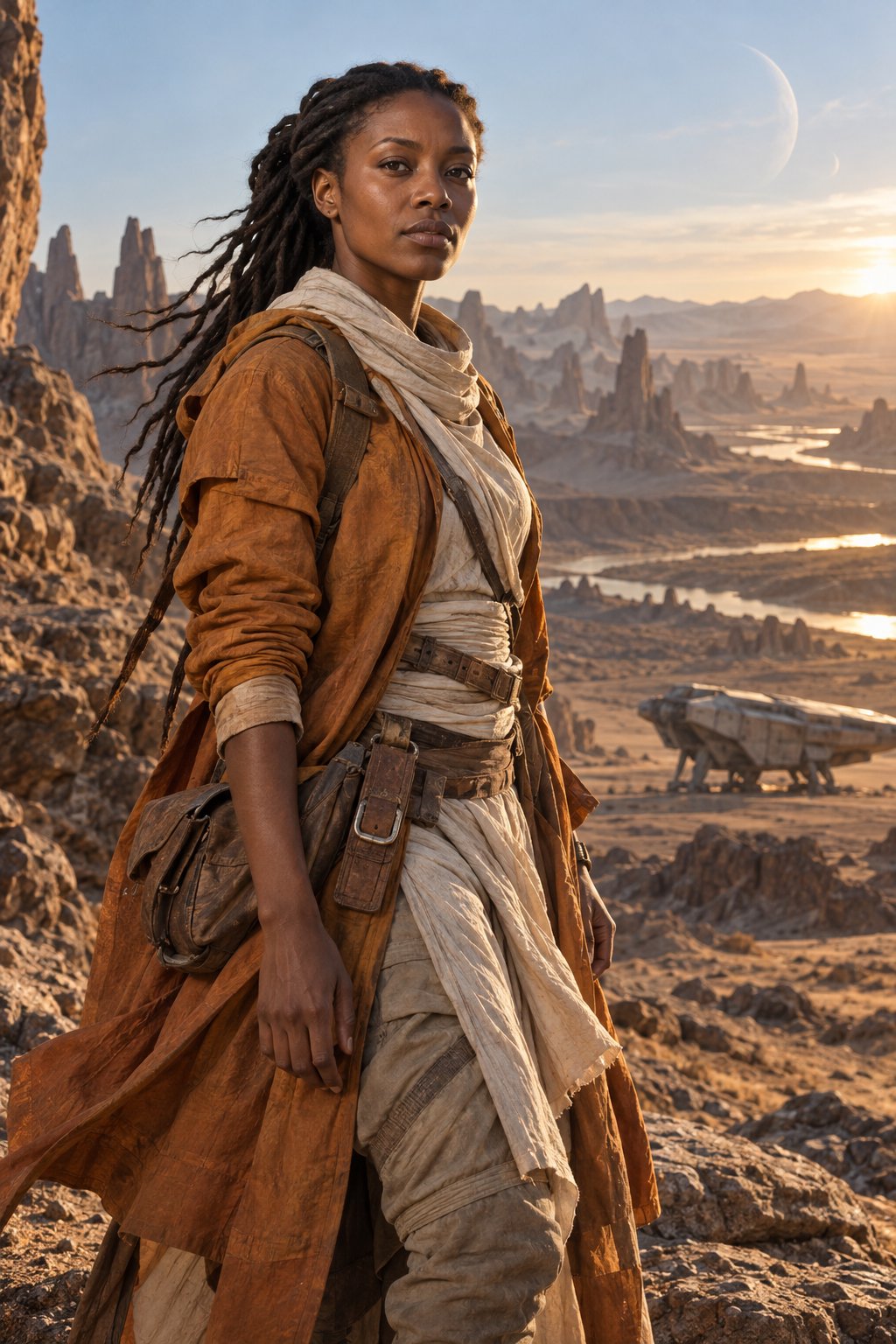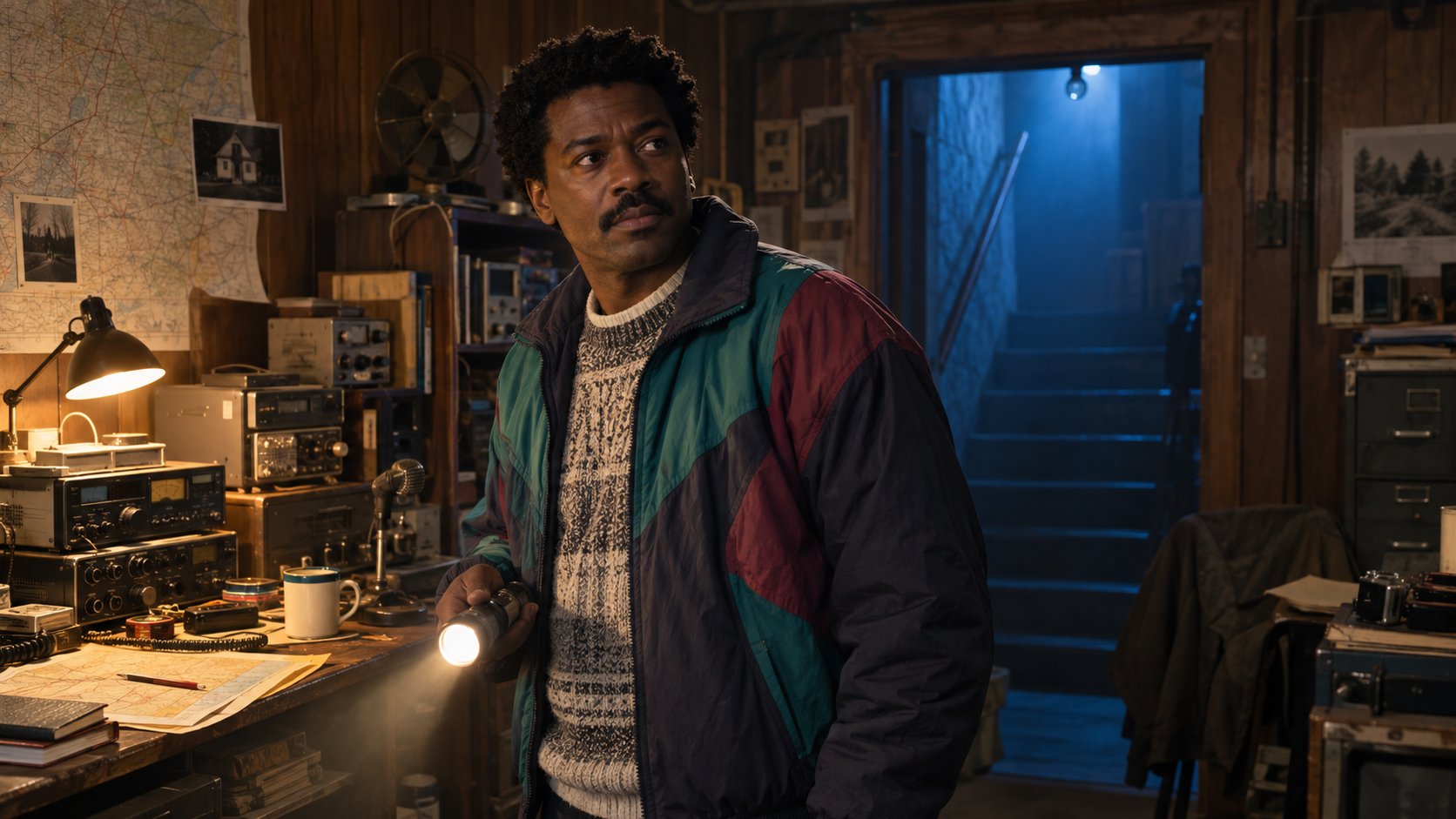
Why the photo beats the personality quiz
The photo beats the quiz because it measures facial structure, the same thing the show's own casting relied on, instead of shifting taste. Text quizzes assign characters by taste: bike or camaro, walkie or guitar. Casting works on structure, because the show itself cast on structure: round kid faces, sharp metalhead angles, weathered adult brows. Face matching formalizes that process. In practice the matcher boils your selfie down to a handful of measurements (jaw width, brow depth, eye spacing, cheek line) and asks which Hawkins archetype's measurements sit closest. That is all casting ever was, formalized, and it has one structural advantage over any quiz: your face does not change with your mood, so the result repeats. A quiz that says "you are the metalhead" this week and "you are the sheriff" next week measured nothing.

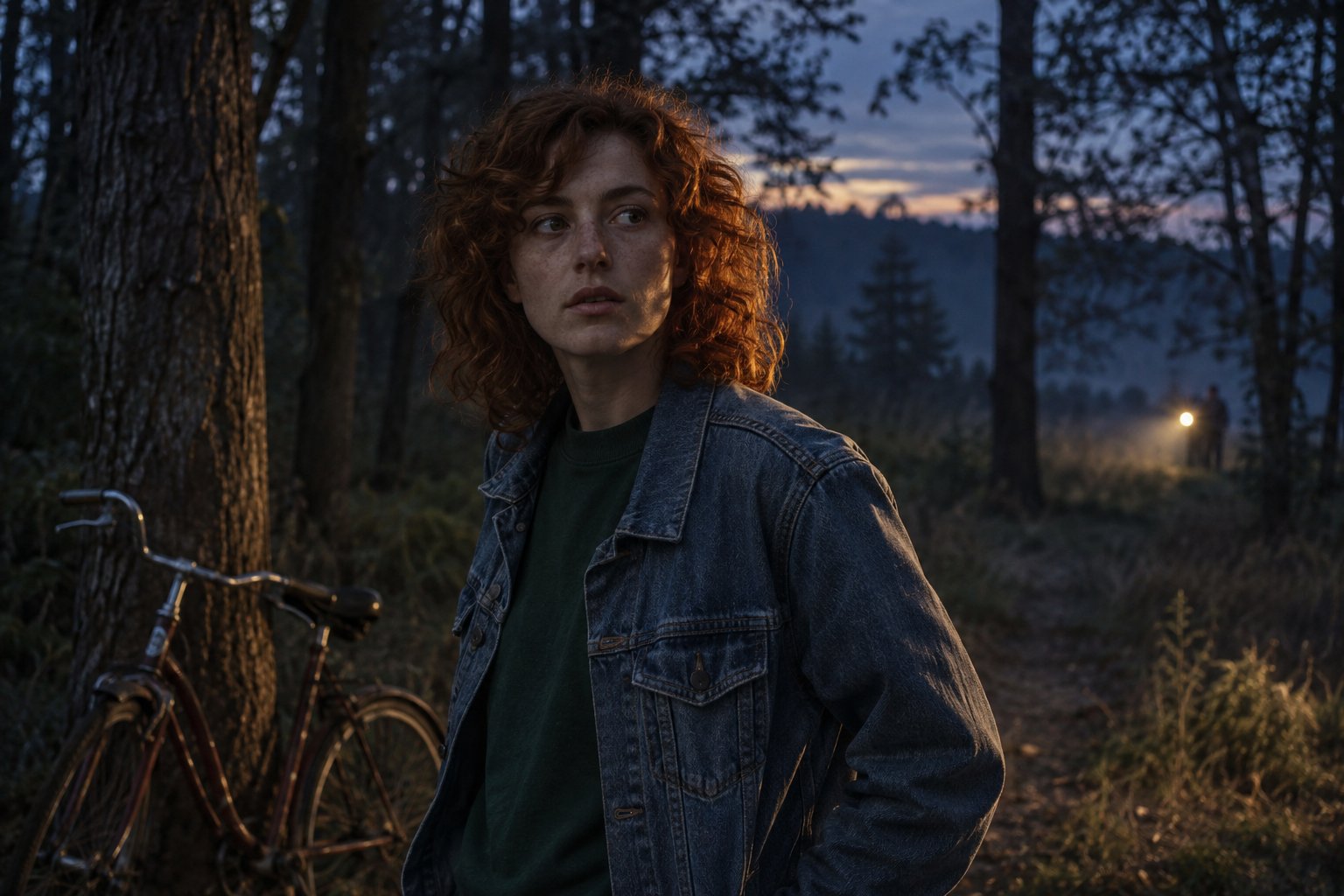
The six Hawkins archetypes
| Archetype | The tells | Styling cues |
|---|---|---|
| The Kid with the Walkie | Round cheeks, short hair energy, bright eyes | Graphic tee, denim jacket, crew cut |
| The Girl with the Shaved Head | Fine features, strong straight brows | Buzz cut or tucked bob, pale blue or pink, minimal jewelry |
| The Metalhead with the Guitar | Long hair, angular jaw, hooded eyes | Battle vest, band tee, loose curls |
| The Older Brother in the Camaro | Square jaw, feathered hair, even features | Denim, khaki uniform, aviators pushed up |
| The Mom with the Christmas Lights | Soft features, tired warm eyes | Corduroy, flannel knot at the waist, string lights |
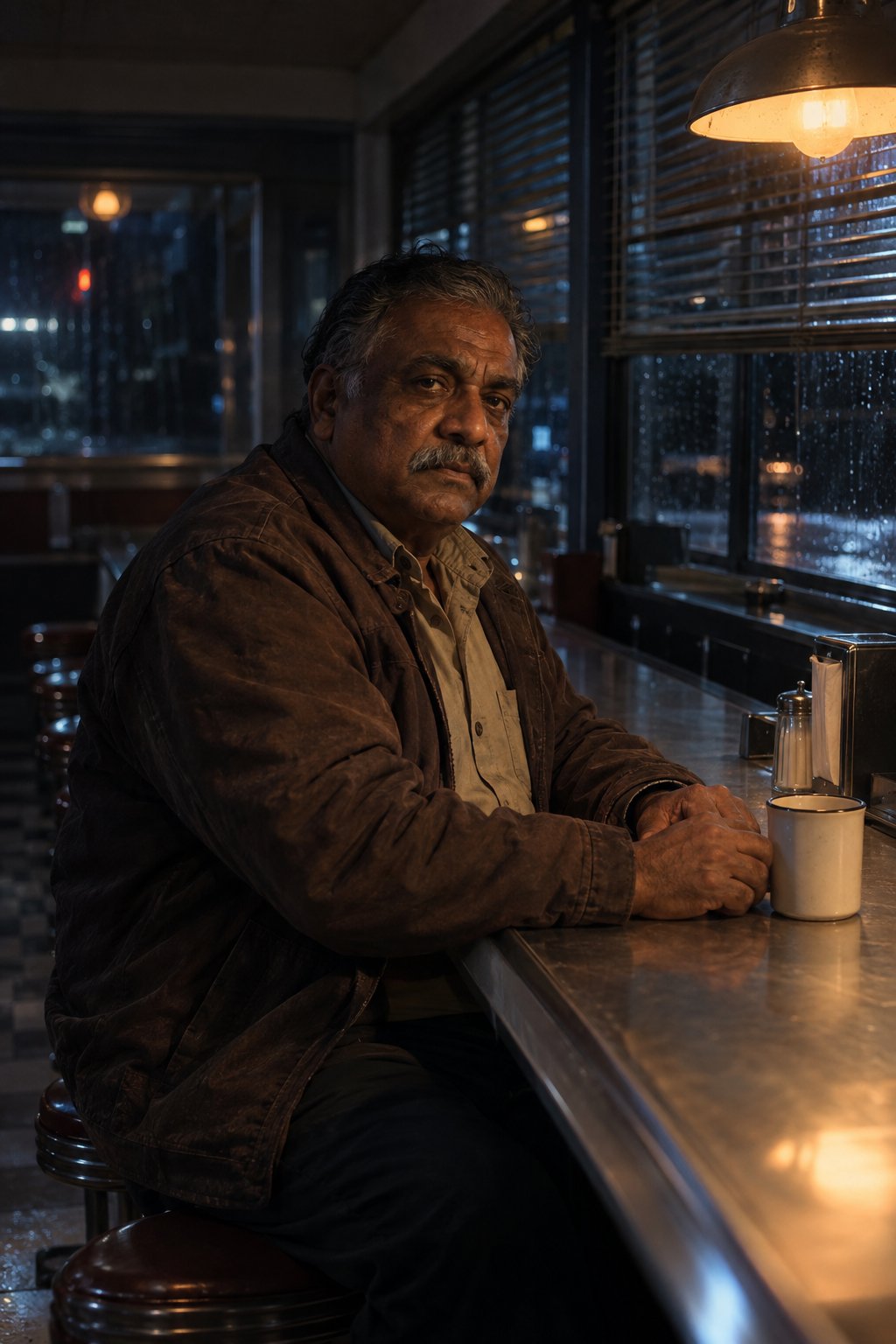
| The Sheriff with the Mustache | Rugged brow, broader nose bridge | Khaki shirt, aviators, groomed mustache |
The mapping is factual: these are the roles as the show frames them, from the bike kids through the adults holding the phone bank. The styling cues are generic 1980s pieces you can pull from a closet or a thrift rack, which is the point: the archetype is wearable without licensing anything.
Curious what you'd look like in this style? Preview it in about three minutes.
See a previewWhat 1983 styling does to a match
Hair and wardrobe do not change bone structure, but they change the photograph, and the photograph is what the matcher sees:
- Volume moves the jaw read. Feathered hair wide at the cheekbone softens a square jaw; a tucked bob exposes it. Style the hair toward the archetype you are testing, and the match will often move.
- Collars frame the neck. High collars and crew-neck tees change the shoulder line that anchors every portrait.
- Warm light reads as the era. Tungsten lamps and late-afternoon sun push skin tones warm; that warmth is half the show's look before any costume goes on.
Practical version: shoot one neutral input for the honest match, then one styled input per archetype you want to test. Compare which archetype survives both.

Shoot the selfie the matcher reads
- Window light, overcast if possible, no lamps mixing in.
- Prop the phone at eye level, timer on; raising your arm tilts the jaw and inflates the forehead.
- Neutral expression. Hawkins casting is not a smile contest; a grin hides the jaw the match needs.
- Hair truthful but clear. Off the face, not restyled into a wig; the matcher reads the face, and the wig goes on after.
- No filters, no sunglasses. Filters widen eyes and thin jaws, which moves you toward a generic face and away from your archetype.
- Take three frames across two days. Whatever repeats is your result.


Take the result to a group
Stranger Things is the rare franchise where the group costume is stronger than the solo one, because the casting logic works on real friend groups:
- Assign by match, not by preference. Let each person run the selfie match and wear their own archetype; the distribution almost always covers two or three archetypes naturally, which is exactly what a Hawkins lineup needs.
- Anchor the frame on contrast. Pair the pale minimal archetype (shaved-head energy) against the warm textured one (corduroy, flannel) at the center of the lineup.
- Keep one adult in the adult roles. The Sheriff and Mom archetypes carry the frame at parties; the adult halloween costumes guide covers making khaki-and-flannel look deliberate.
- Stagger the lineup. Diamond, not a line; heads at different heights; the group halloween costumes guide has the full 3-to-8-person staging rules.
For whether any of this is trending this year, the halloween costume trends 2026 hub tracks what the season's searches actually say.
What goes wrong
- The wig in the input photo. A full-costume selfie tells the matcher nothing about your face and everything about a wig. Match first, dress second.
- Phone filters on kids. Beauty modes standardize every child's face into the same face, which erases the casting differences the group photo depends on.
- Overhead kitchen light. It drags shadows down the face, which reads every jaw as heavier. Move to the window.
- One frame, one verdict. A grainy party crop returns a confident, wrong archetype. Repeat matches are the only ones to act on.
Upload five selfies, pick a style, get results back in about three minutes.
Try the generatorThe AI route: era-inspired, honestly framed
To see the archetype as a portrait: upload 5 to 15 selfies and the generator returns era-styled portraits with generic names (1980s denim portrait, feathered-hair era look, string-light kitchen frame). It does not render licensed characters; the output is an era-inspired portrait rather than you as the exact figure. Previews are free, watermarked, and back in about 3 minutes; HD downloads are paid (Starter $15 for 5 photos, Pro $35 for 20, Premium $65 for 50). Photos of yourself only.
It will not place your real friends' faces in one group frame, and it will not recreate the actual arcade you grew up in. It produces a clean, styled portrait in the era's light, which is the part worth keeping. Run your selfie through the free match on the lookalike tool linked above; for other universes, the which superhero do I look like page covers capes and the which pixar character do I look like page goes animated.