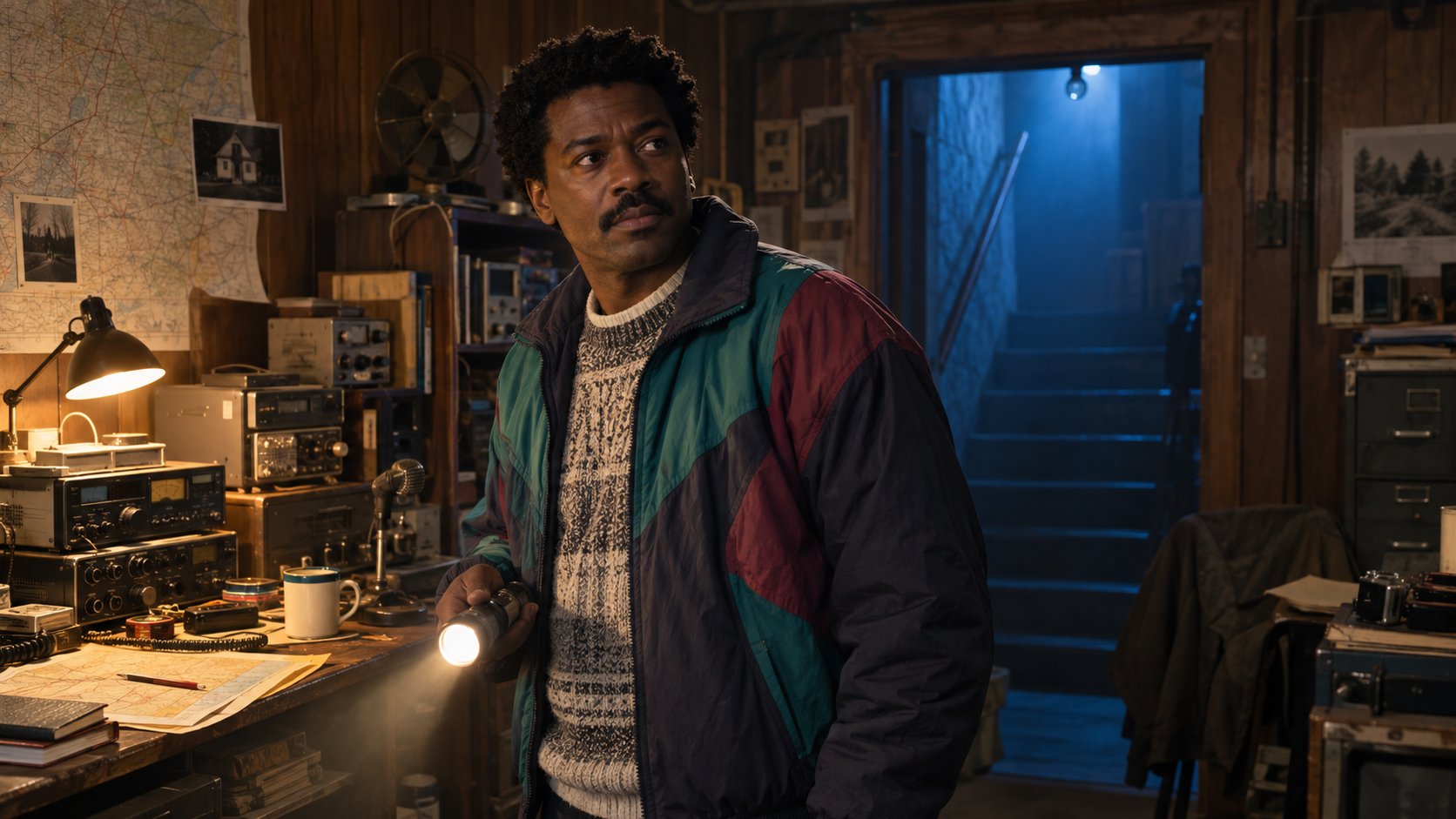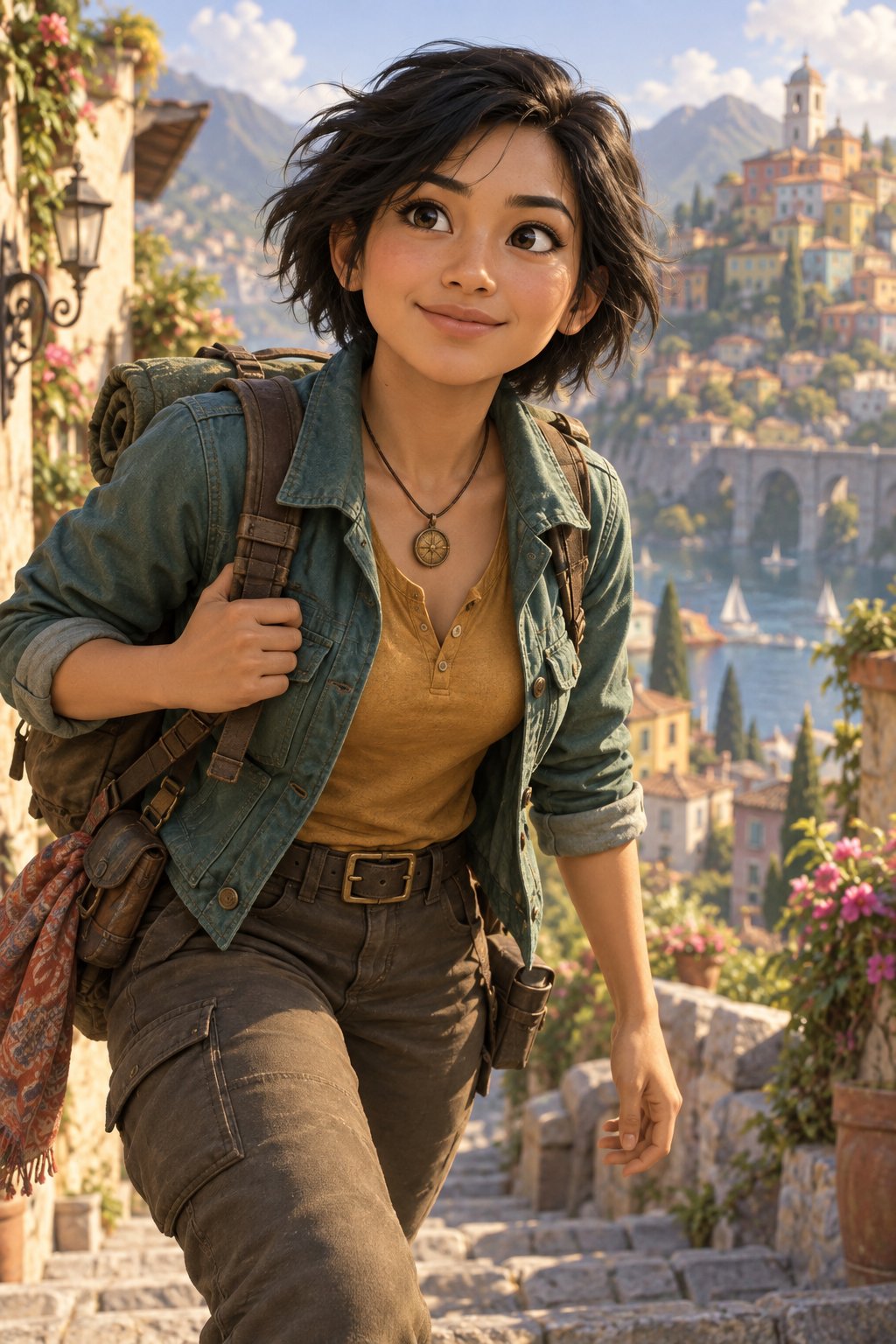
The render question
A text quiz asks which toy you would be, which is a taste question wearing a costume. The photo-based match asks a geometry question: your selfie compresses into an embedding, a compact set of numbers for jaw width, brow depth, eye scale, midface ratio, and cheek line, and the matcher ranks six character roles by distance in that space. Stylization does not break this; it concentrates it. Because a Pixar design simplifies almost everything and then exaggerates one or two remaining features, the feature your face leads with is exactly the signal the match reads. The photo lookalike tool that drives our kpop idol match runs this ranking free on any selfie, and the which cartoon character do I look like hub extends the same casting logic to every animated universe if one studio feels too narrow.

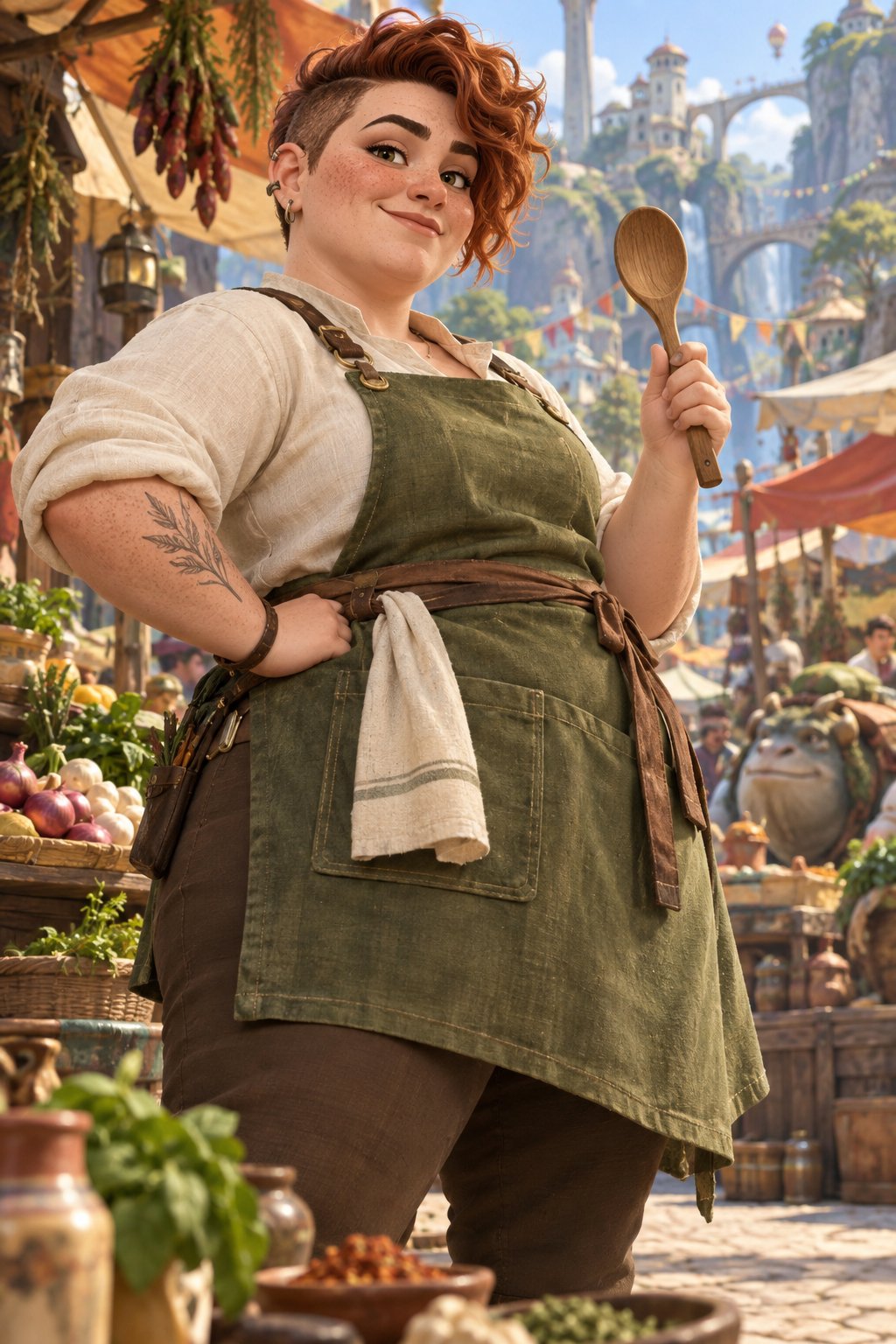
The six roles
| Archetype | The tells | Styling cues |
|---|---|---|
| The Plucky Underdog | Round midface, bright wide eyes, eager brows | One bold color accent, rolled sleeves, forward lean |
| The Protective Parent | Strong brow, squared shoulders in the crop, steady mouth | Collared shirt, warm key light, arms-crossed ease |
| The Wondering Kid | Large-reading eyes, small nose, open mouth energy | Bright tee, hair slightly mussed, sky-lit top light |
| The Tiny Force of Opinion | Compact frame read, sharp gaze, decisive brows | Crisp collar, level chin, clean gradient backdrop |
| The Grumpy-Soft Elder | Deep smile lines, heavy lids, gentle downturn | Knit layers, warm lamp light, soft focus edges |
| The Villain With a Point | Tall-reading face, narrow eyes, composed smirk | Monochrome palette, uplit chin, geometric backdrop |
The references stay at the level of studio-wide role traditions, not named characters: the plucky protagonist line, the worried-parent energy that anchors half the films, the tiny scene-stealing professional, the gruff elder with the balloons-and-house heart, the antagonist who is arguably right about one thing. Your features map to the role; the styling cues are wardrobe and light you can assemble tonight.
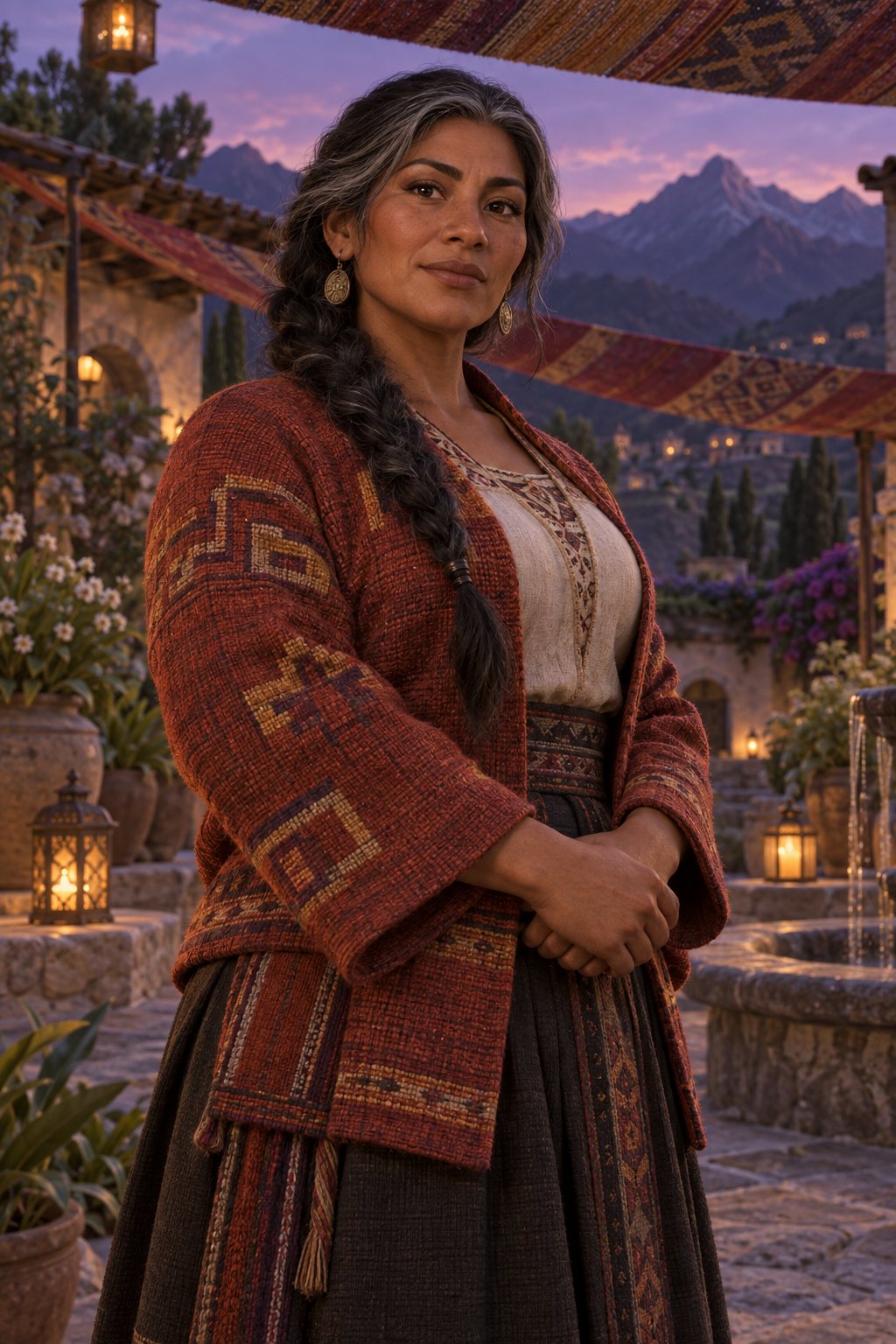
Curious what you'd look like in this style? Preview it in about three minutes.
See a previewWhat stylization exaggerates
Stylization exaggerates exactly one feature at a time and leaves the rest of the face plausible. Animation design tools build characters from a neutral base and then push one slider: eye scale, brow weight, jaw squareness, cheek roundness, nose size, chin length. Find your pushed slider:
- Photograph yourself straight-on in even light, expression neutral.
- Cover each feature zone in turn with a finger or a sticky note: eyes, brows, jaw, cheeks, nose, chin.
- Notice which cover-up changes your face most. The zone whose disappearance changes the read the most is your exaggerated feature, and the archetype table above sorts largely on it.
- Shoot your match selfie to protect that zone: hair off the brows, chin level, no shadow across it.
Eye-scale readers drift toward the Wondering Kid and the Plucky Underdog; brow-and-jaw readers toward the Protective Parent and the Villain With a Point; cheek-and-midface readers toward the Plucky Underdog and the Grumpy-Soft Elder. The matcher runs the same logic numerically; the sticky-note version just lets you see it coming.

Shoot the selfie
- Face a window, midday, even daylight. The studio's look is soft and warm, but the input stays neutral and the grade comes later.
- Phone at eye level, leaned on something, timer on. Stylized characters are drawn with correct proportion underneath; record yours correctly.
- Neutral-warm expression. A closed-mouth almost-smile is the house register; a full grin or a deadpan both skew the read.
- Hair truthful and off the face. The exaggeration experiment above only works if the pushed zone is visible.
- No filters. A filter is a second, sloppier animator editing your face before the matcher ever sees it.
- Shoot today, reshoot in 48 hours. The role that repeats is your cast.


From match to movie night
Every role converts to a low-effort group plan, which is where this match earns its keep: the Plucky Underdog needs one loud color, the Protective Parent a collar and a clipboard, the Wondering Kid a bright tee, the Tiny Force of Opinion a crisp bob-adjacent haircut and an attitude, the Grumpy-Soft Elder a cardigan and walking stick, the Villain With a Point a monochrome palette. For households and friend groups running the match together, the family halloween costumes guide turns a six-role cast into one coordinated line-up, dog included.
What goes wrong
- Cartoonifying the input first. The whole point is to measure the face the render would exaggerate; a cartoon filter pre-exaggerates and the match just echoes it back.
- Grinning for the genre. Pixar faces are expressive at rest. A forced huge grin stretches the midface and pushes everyone toward the same eager protagonist.
- Shooting below eye level. The up-angle enlarges the nose and shrinks the chin, which silently recasts you into whichever role tolerates that distortion.
- One-frame casting. A single seatbelt-selfie can nominate anyone as anything. The spaced retest is the studio-standard repeat.
Upload five selfies, pick a style, get results back in about three minutes.
Try the generatorThe AI route: render-inspired, honestly framed
The honest framing is simple: MyPhotoAI does not generate a specific copyrighted character, and it will never promise "you as" a protected figure from anyone's studio. What it does is take 5 to 15 selfies and produce portrait previews in about 3 minutes, free to check and watermarked, in style-inspired looks with generic names: a soft-render warm portrait, a golden-rim adventure frame, a clean gradient backdrop headshot. HD downloads cost money at Starter $15 for 5 photos, Pro $35 for 20, Premium $65 for 50, and the catalog runs 107 looks across 6 categories. Upload only photos of yourself.
It will not seat your real family in one animated living room, and it will not reproduce a specific film's set. It hands you the polished, warm, softly rendered portrait your role points toward, which is the frame people actually print. Run the free match on the lookalike tool to find your role; for the painterly version of the same studio energy, the which Ghibli character do I look like page runs the method in watercolor, and the which Family Guy character am I page takes caricature to its logical extreme.