The three fit rules the camera enforces
- Structure beats size. A costume that skims the body photographs sharper than one that clings or billows. If a packaged dress only comes in small, medium, and large, choose by where the waist seam hits you, not the number on the tag.
- One defined point, at least. A waist seam, a shoulder line, or a corseted bodice gives the eye somewhere to rest. A costume with no structure anywhere reads as a robe in every photo.
- Fabric matte or heavy. Thin polyester catches flash and turns white at the folds. Matte cotton, velvet, or anything with real weight keeps its color under a phone flash.
Seven silhouettes that photograph well
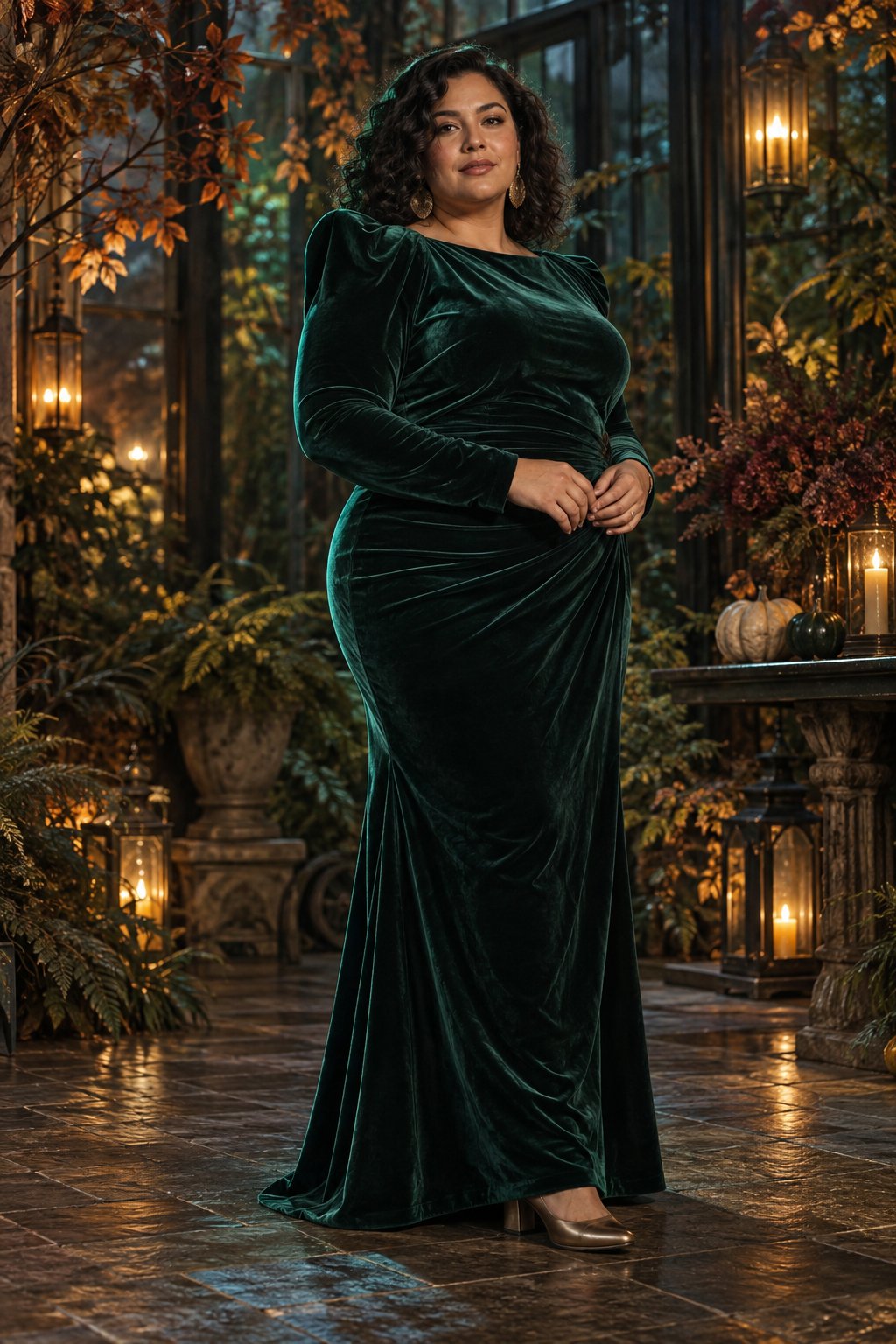
- The column gown. Floor-length, fitted through the torso, falling straight to the floor. It photographs as one unbroken line and hides whatever shoes you chose. The Morticia Addams costume is the archetype: dark fabric, deadpan posture, sleeves past the wrist.
- The pointed hat and cape. The witch costume works across decades because the silhouette is all geometry: wide brim, defined waist, sweeping hem. Add height with the hat and the whole frame lengthens.
- The corset-front peasant dress. Lacing gives the bodice structure even when the dress is cheap. Pair with a elbow-length glove to bridge bare arms into cold October air.
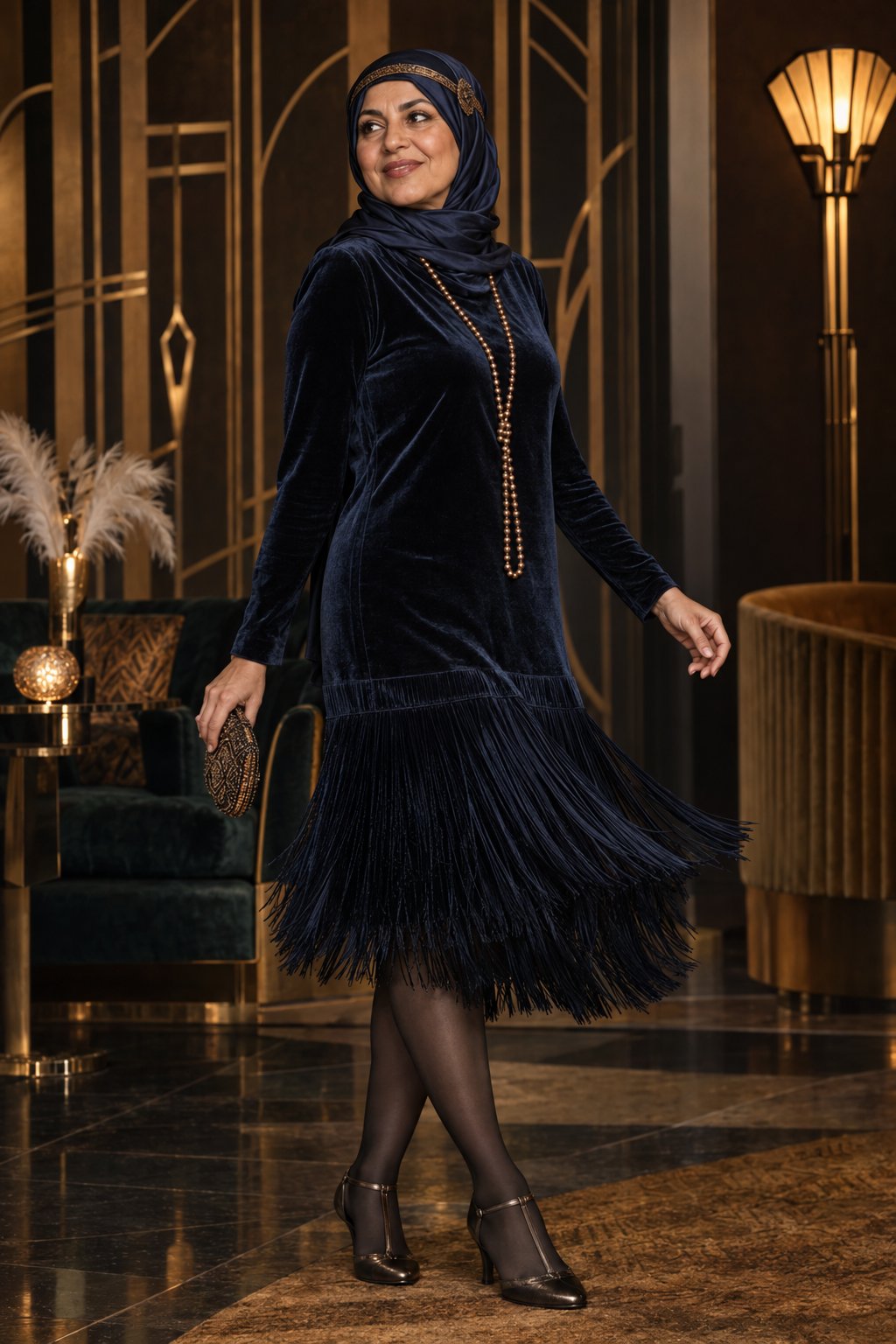
- The 1920s drop-waist. A straight dress with the seam at the hip, a headband at the brow, and long beads. It flatters by ignoring the waist entirely, which is why it keeps returning.
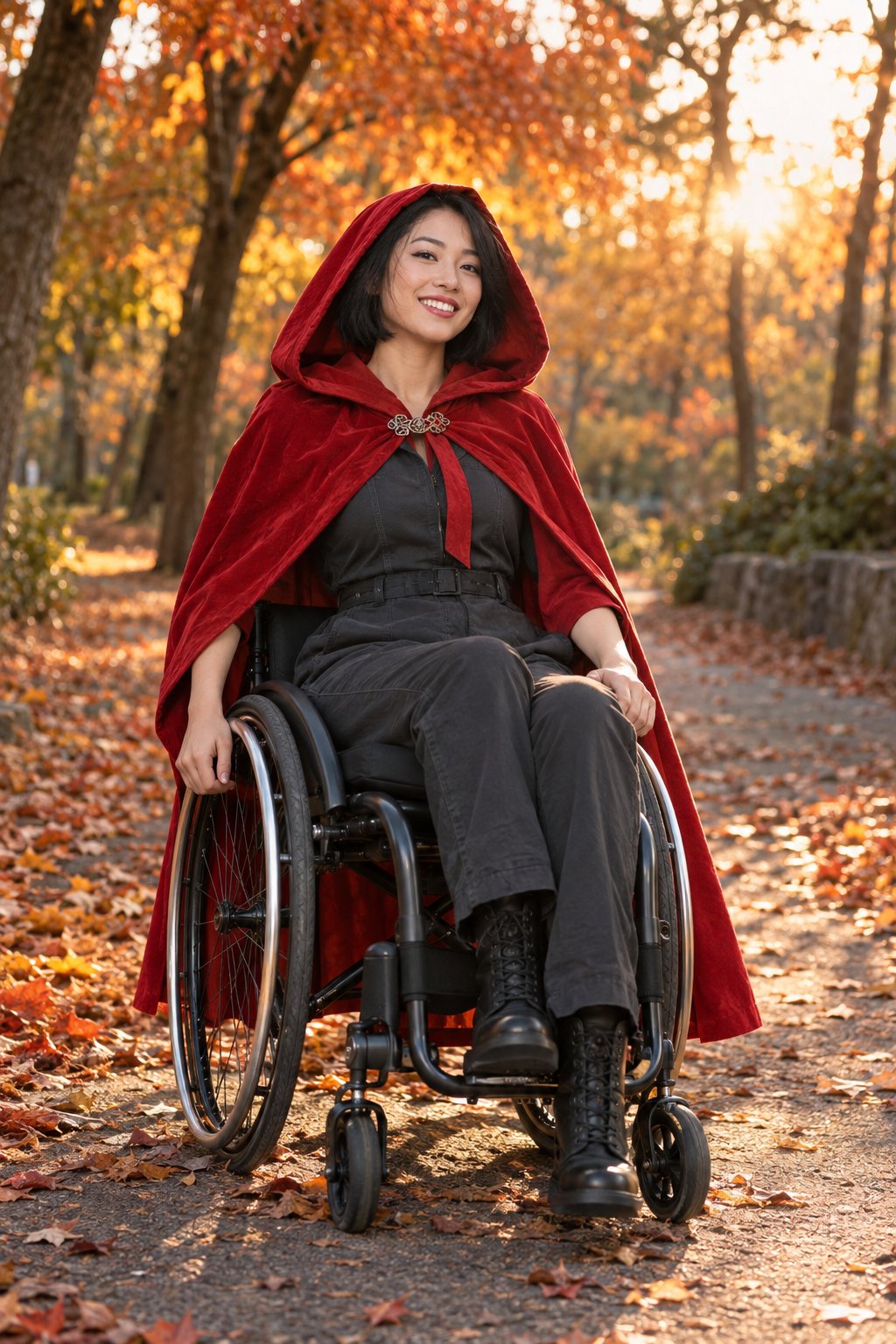
- The red riding cape. A knee-length cape over any plain dress and the costume is done; the color does the talking. The Little Red Riding Hood costume guide covers why the hood needs a stiff lining to photograph.
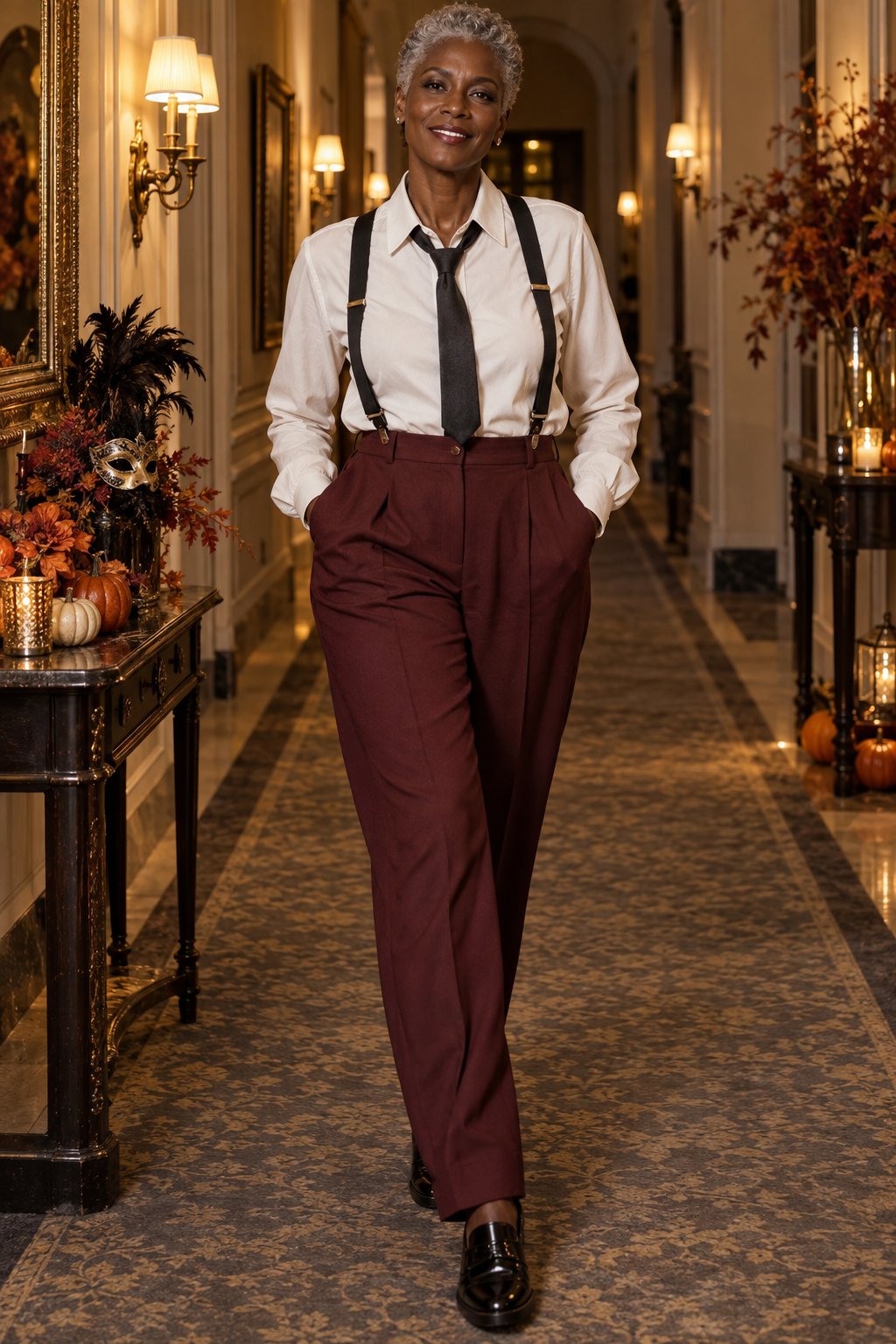
- The tailored trouser look. High-waisted pants, a tucked blouse, suspenders or a tie. Menswear on womens terms photographs sharp and reads confident, and it survives every venue.
- The fitted jumpsuit. One continuous line, no hem to trip on, no skirt to arrange. Add a belt and one strong accessory so it reads as a character instead of a wardrobe staple.
Not sure yours will come out right? Preview ten event-portrait styles of you in about three minutes.
See a previewShoes, hems, and the two-hour rule
Buy the shoes for the night, not the photo. Block heels or flats under a long hem photograph identically to stilettos and change your posture completely by hour two. Check every hem over the shoes you will actually wear: a dress that clears the floor in flats pools badly in four-inch boots, and pooling fabric reads as a sizing mistake on camera. If the night includes walking, patches of grip tape on slick soles are the cheapest insurance in this whole exercise.

Makeup anchors by era
Face makeup should carry the decade, not fight the outfit.
- Vintage decades: a defined red lip, soft matte skin, brows brushed up. Nothing glittered near the eye.
- Gothic and monster looks: one dark eye or one dark lip, never both, with the other feature left quiet.
- Fairy and enchantress looks: a wash of shimmer on the lids only, because glitter on cheeks turns into flash hotspot in every flash frame.
Two minutes of setting spray at the end matters more than any of the steps above; it is what keeps the look intact for the photos taken at 11 p.m. rather than 8. For step-by-step ladders, the Halloween makeup looks guide breaks down six by technique.


Posing in dresses and structured pieces
- Create the S-curve deliberately. Weight on the back foot, front knee soft, hip pushed away from the camera. Structured dresses need you to supply the line; standing square erases it.
- Give hands employment. One on the hip seam, one holding the prop, or one lifting the hem two inches off the ground. Empty hands hang and photograph heavy.
- Shoot the back detail. Corset lacing, cape clasps, low backs: the most expensive details sit behind you. One over-the-shoulder frame per set, minimum.
- Sit only on armless furniture. Chair arms cut a wide dress into a shape no one wanted. Steps, benches, and floor seats with the skirt spread photograph better.
What goes wrong with women's costumes
- The shiny packaged dress. Covered above and worth repeating: it is the single most common reason a costume looks cheaper in photos than on the hanger. A matte slip under it, or a light mist of matte spray, tones the shine down.
- Sizing drift between brands. A medium in one shop is a small in the next. Order early enough to return, because October 28 inventory never has your second size.
- Costume jewelry that flakes. Cheap metal turns green against skin and photographs as a smudge. Keep jewelry to one piece you already own and wear often.
- Cold-weather denial. A strapless look photographed in a borrowed coat becomes a coat photo. Plan the warmth into the costume: gloves, a cape, opaque tights, or accept that outdoor photos happen fast.
Missed your window? Upload five selfies. Get a polished portrait back in about three minutes.
Try the generatorThe AI preview route
Before buying anything, a fitting without a fitting room: MyPhotoAI generates costume-inspired portraits of you from 5 to 15 selfies, with previews in about 3 minutes that are free to view and watermarked. It answers the question a product photo cannot, which is whether a column gown or a corset bodice actually suits your face and frame. HD downloads cost money only if you keep them: Starter $15 for 5 photos, Pro $35 for 20, Premium $65 for 50, from a catalog of 107 looks across 6 categories, with the seasonal styles under generic names in the events category. Upload photos of yourself only, and expect single-person frames, since multi-person generation is not reliable yet. If the silhouette you keep circling leans glamper than these seven, the sexy Halloween costumes guide takes that direction, and the full Halloween costume ideas hub sorts fifty-plus looks by effort and budget.


